
5 Essential Tips for DIY Music Recording at Home
Creating music from the comfort of your home has never been easier, thanks to advancements in technology. However, to achieve professional-quality sound, there are some key tips to keep in mind. Whether you're a beginner or looking to refine your skills, these essential tips can help elevate your DIY recording game.
Set Up Your Recording Space
The environment you record in plays a crucial role in the quality of your sound. Start by selecting a quiet room where you can minimize external noise. Consider using soundproofing materials such as foam panels or heavy curtains to reduce echo and background noise.
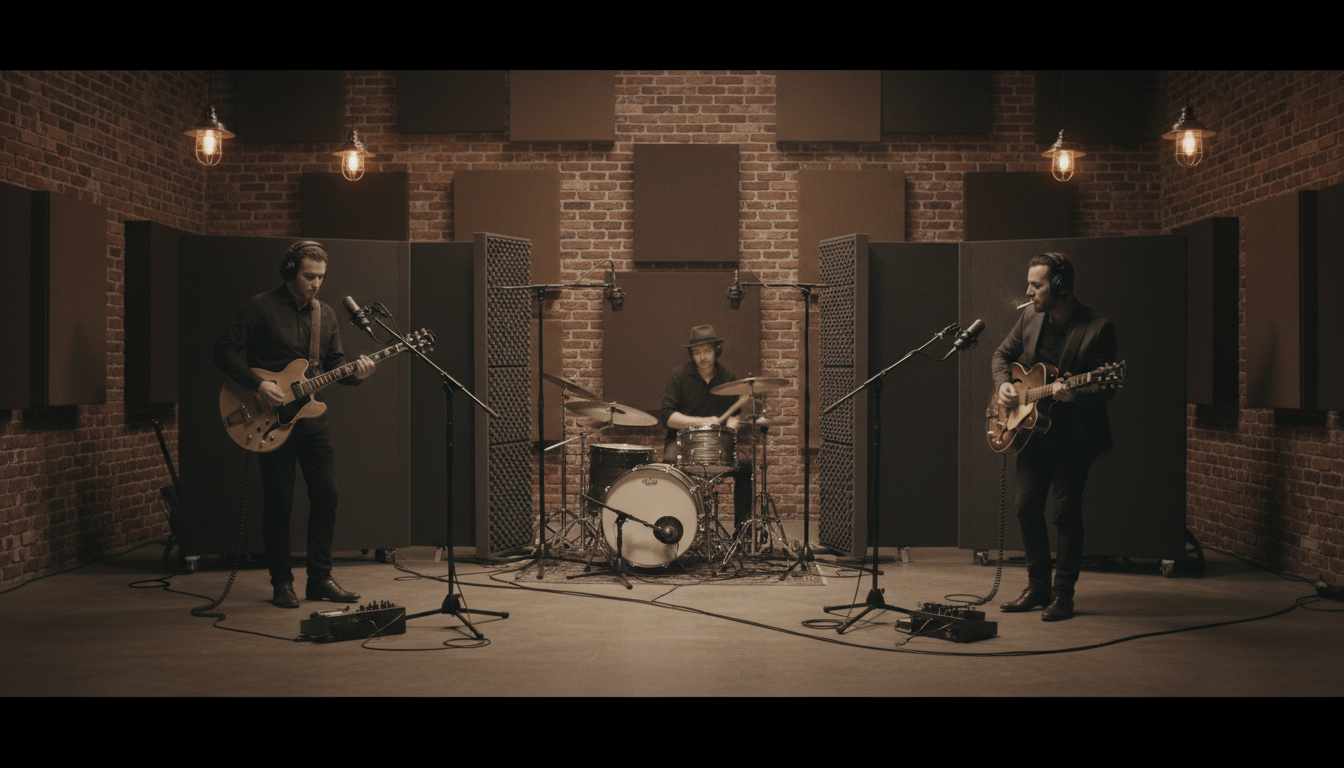
Position your microphone strategically, away from walls and corners, to capture a clean sound. This setup can make a significant difference in the clarity and quality of your recordings. Ensuring a dedicated space will also help you stay organized and focused.
Invest in Quality Equipment
While it's tempting to jump in with budget gear, investing in quality equipment can dramatically enhance your recordings. At the very least, you'll need a good microphone, audio interface, and headphones. Research and read reviews to find equipment that fits your budget and meets your needs.
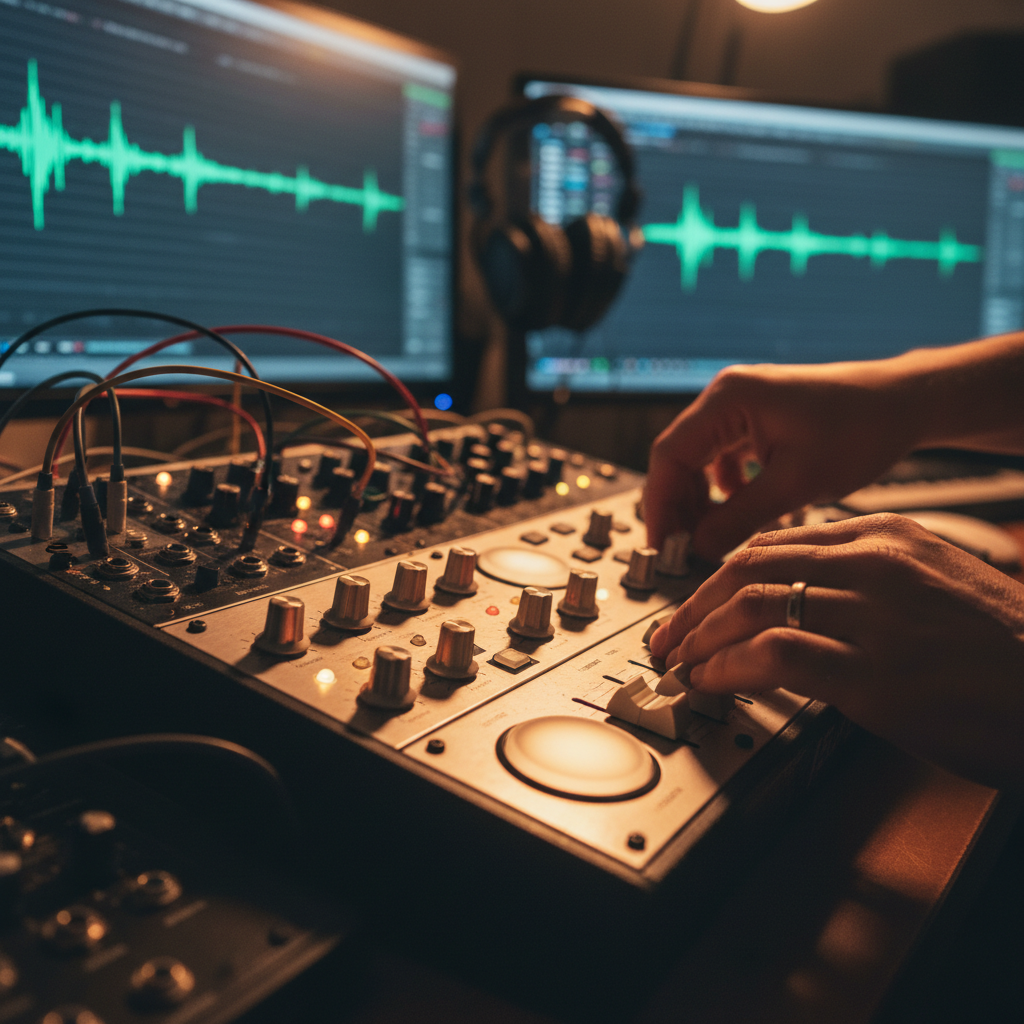
Keep in mind that your computer also plays a role. Ensure it has sufficient processing power and storage to handle recording software without lagging. A reliable setup will save you time and frustration in the long run.
Learn Basic Audio Editing
Understanding the basics of audio editing can vastly improve the final product. Familiarize yourself with your chosen digital audio workstation (DAW) and explore tutorials to master essential functions like cutting, fading, and layering tracks.
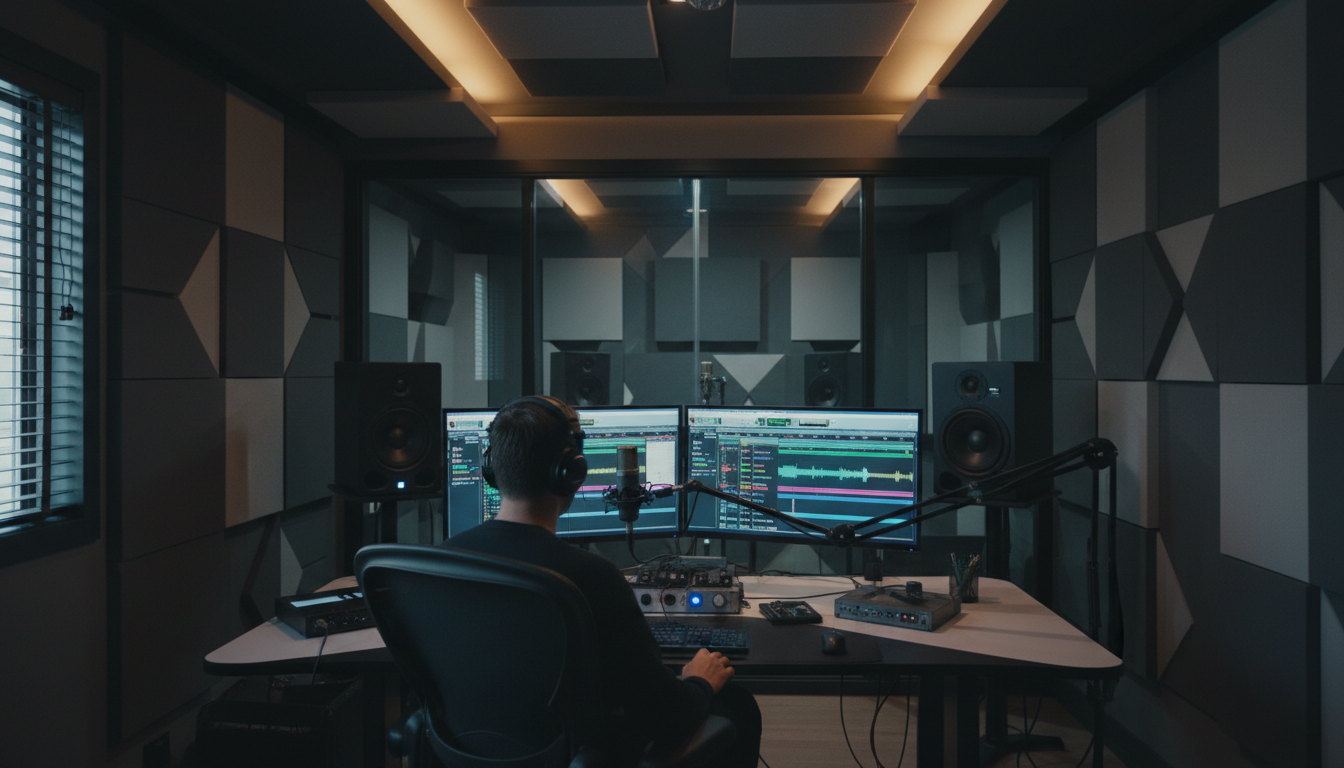
Experiment with effects like reverb and compression to refine your sound. Remember, the goal is to enhance your tracks without over-processing them. Subtlety is often key in achieving a polished, professional sound.
Monitor Your Levels
Properly monitoring your levels is crucial to avoiding distortion and clipping. Keep an eye on your input levels and adjust as necessary to ensure they stay within a safe range. This practice helps maintain clarity and prevents unwanted noise in your recordings.
Use reference tracks as a guide to understand how your recording should sound. Comparing your tracks to professionally mixed songs can provide valuable insights into achieving a balanced mix.
Practice and Patience
Like any skill, mastering DIY music recording takes time and practice. Don't be discouraged by initial setbacks. Each recording session presents an opportunity to learn and improve. Take notes on what works and what doesn't, and gradually refine your techniques.
Remember, the most important aspect is to enjoy the process. Creativity thrives when you're passionate and patient with your craft. Keep experimenting, and you'll soon see significant improvements in your recordings.