
Breaking Down Audio Production Costs: What You Need to Know
Understanding the costs involved in audio production can be a daunting task, especially if you're new to the industry. Whether you're an aspiring musician, a podcast creator, or a business looking to produce audio content, knowing where your money goes is crucial. This guide will help break down the various components that contribute to audio production costs.
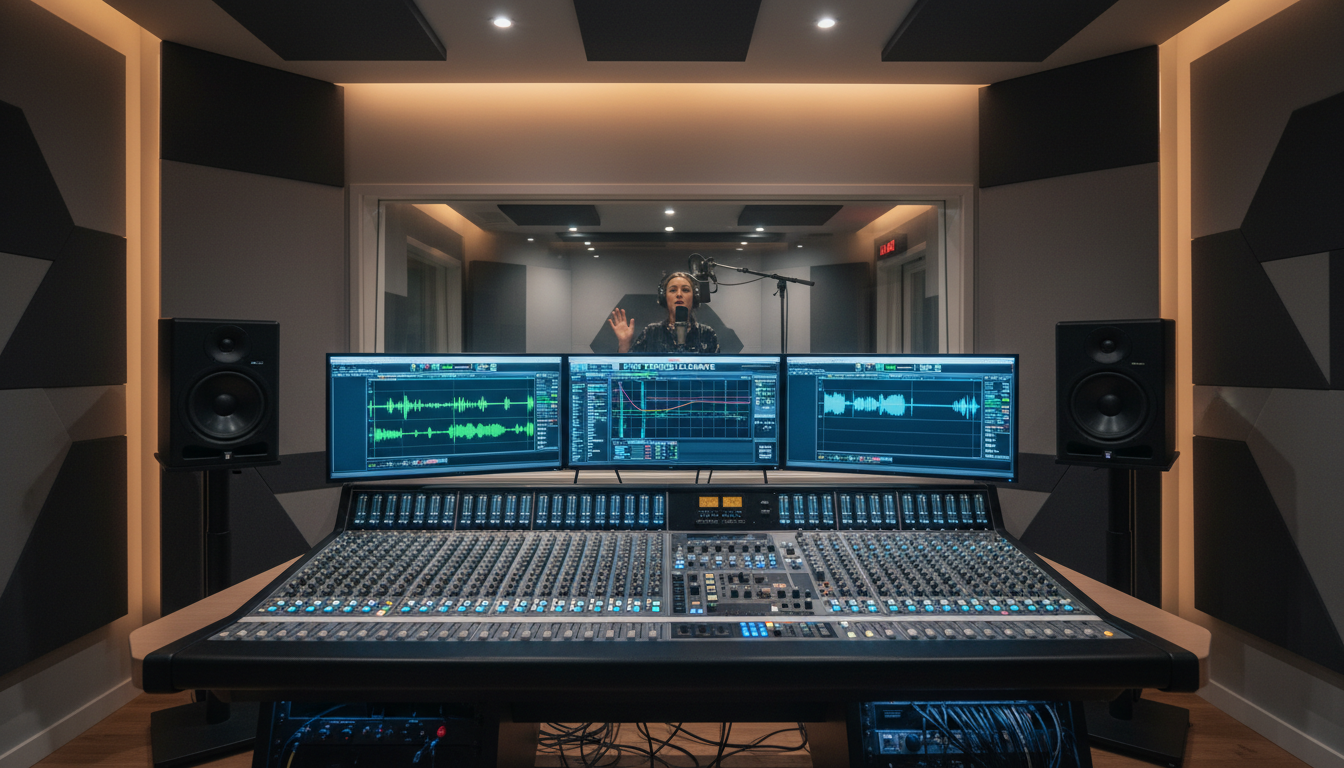
Studio Time
One of the primary expenses in audio production is studio time. Renting a professional studio provides access to high-quality equipment and acoustically treated rooms. This can range from $50 to $500 per hour, depending on the studio's reputation and location. It's important to budget for enough time to record, edit, and mix your project.
DIY vs. Professional Studios
If you're on a tight budget, you might consider a home studio setup. While this can save money, it often lacks the sound quality and expertise found in professional studios. Weighing the pros and cons will help you make the best decision for your project.
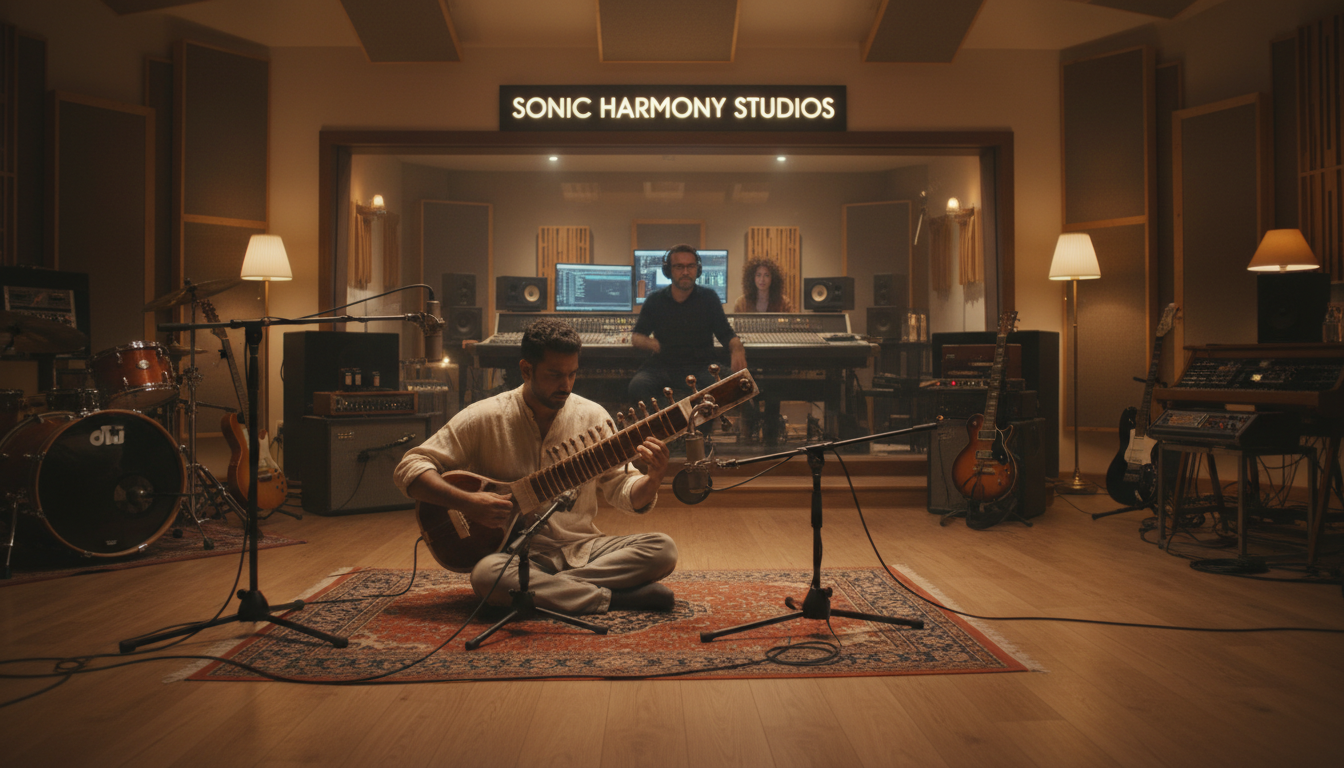
Equipment and Software
High-quality microphones, mixers, and audio interfaces are essential for capturing great sound. Investing in good equipment can elevate your production, but it comes at a cost. Additionally, software for editing and mixing can range from free programs to professional-grade software costing hundreds of dollars.
Renting vs. Buying
If you're not ready to invest in equipment, renting is an option. Many studios offer rental services, allowing you to access top-notch gear without a significant upfront cost. This can be a cost-effective solution for one-time or occasional projects.
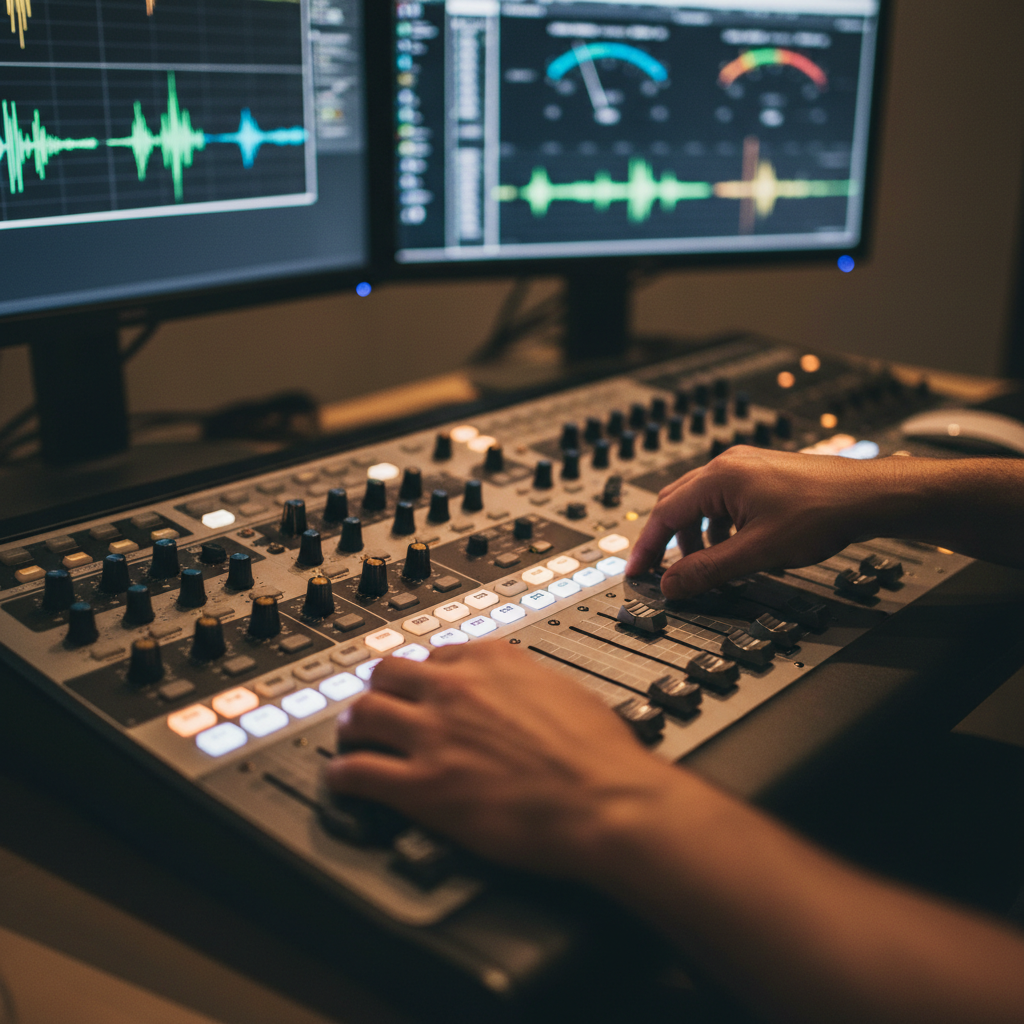
Professional Services
Hiring professionals such as sound engineers, producers, and session musicians can significantly impact your budget. Their expertise ensures that your project meets industry standards. Rates can vary widely based on experience and demand, so it's essential to research and find the right fit for your needs.
Negotiating Rates
Don't hesitate to negotiate with professionals. Many are willing to work within your budget, especially if you're clear about your needs and expectations. Building a good relationship with industry professionals can lead to cost savings over time.
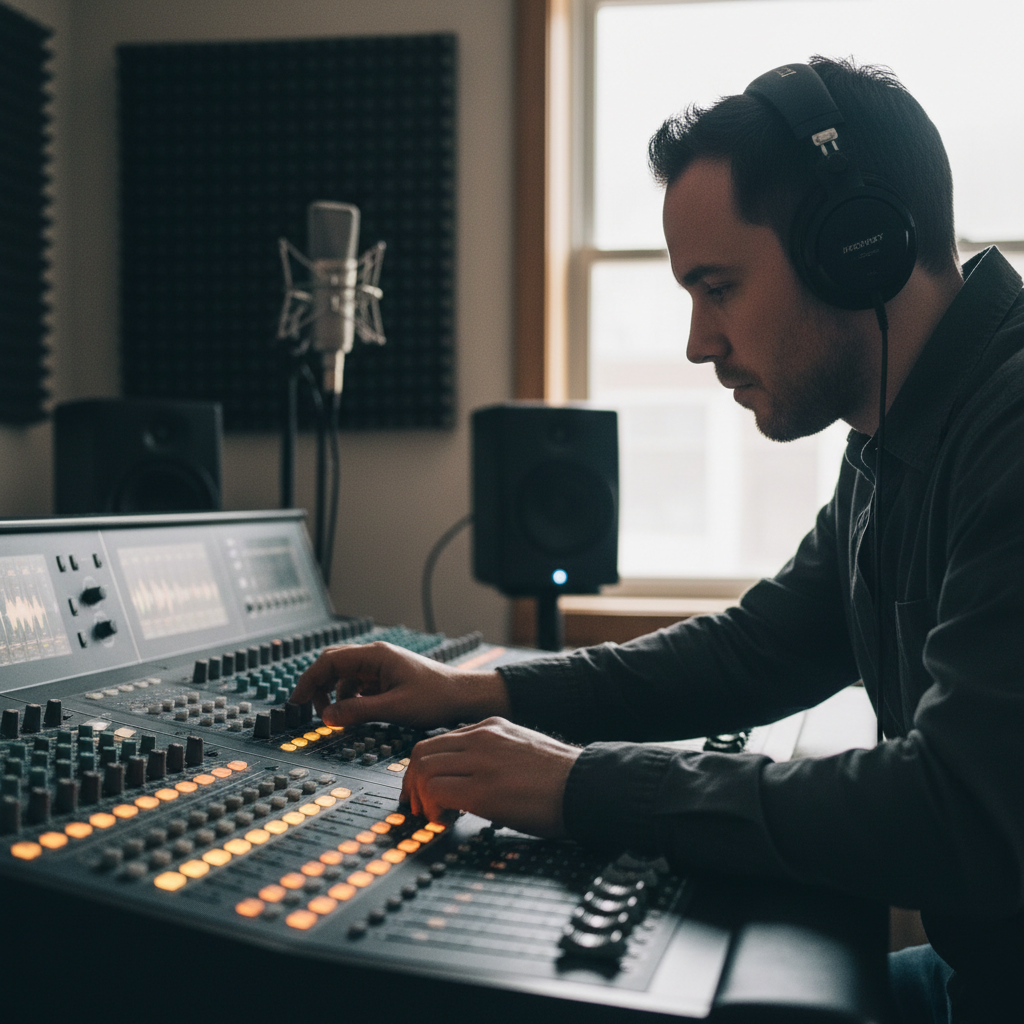
Post-Production Costs
Once recording is complete, post-production begins. This includes editing, mixing, and mastering. Each step is crucial to achieving a polished final product. Budgeting for these processes is important, as they can significantly enhance the audio quality.
Understanding the Process
Familiarize yourself with the post-production process to make informed decisions. Whether you're doing it yourself or hiring professionals, knowing what each stage involves will help you allocate your budget effectively.
By understanding these key areas, you can better plan and execute your audio production project. Investing wisely in the right areas will not only enhance the quality of your work but also ensure that your budget is used efficiently.