Common Audio Production Mistakes and How to Avoid Them
Understanding the Basics of Audio Levels
One of the most frequent mistakes in audio production is not paying attention to audio levels. Ensuring that your audio is neither too loud nor too quiet is crucial for maintaining quality. Clipping, which occurs when the audio level is too high, can distort sound and ruin a recording. On the flip side, audio that's too quiet may get lost in the mix.
To avoid this, always monitor your levels using a digital audio workstation (DAW) that provides visual feedback. Aim for a balanced level by using meters and ensure that your peaks are within a safe range.
Neglecting Room Acoustics
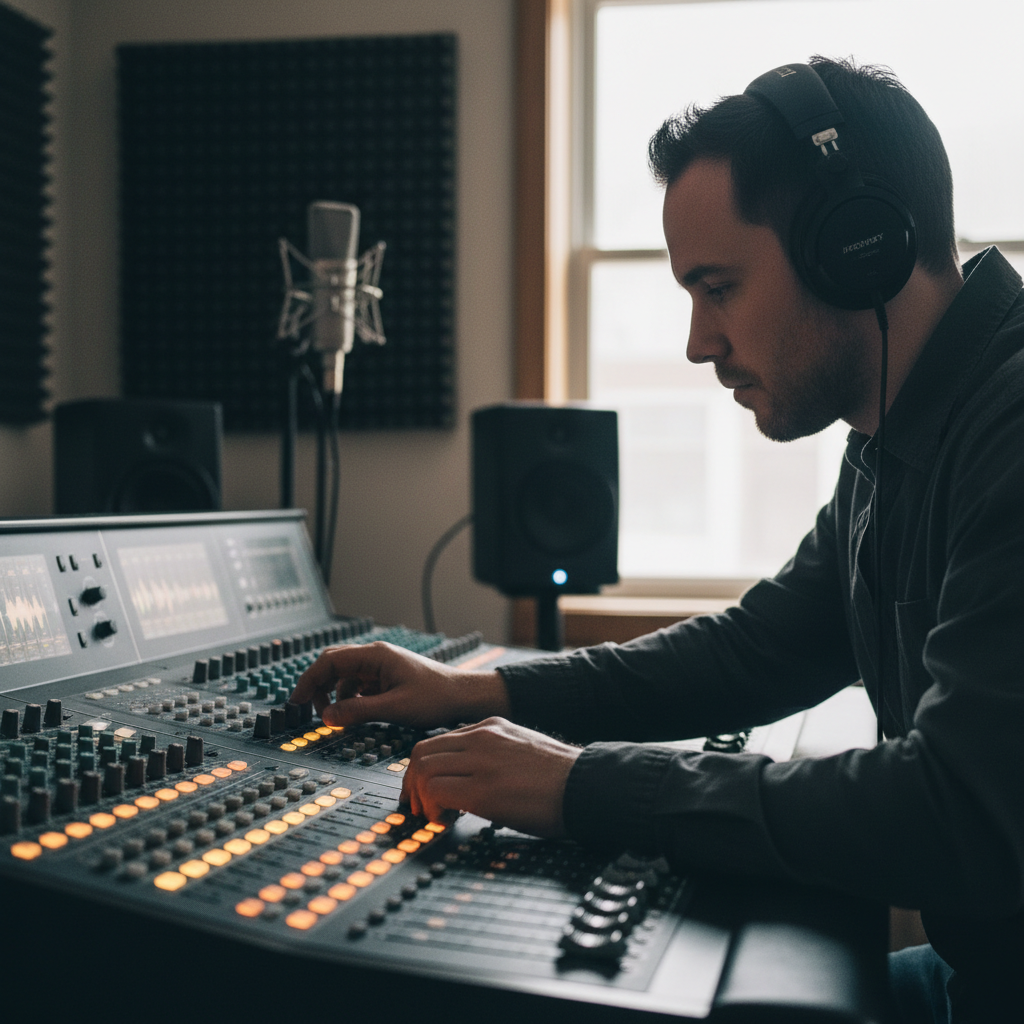
Another common oversight is ignoring the acoustics of the recording environment. Poor acoustics can introduce unwanted echoes and reverb, which can be challenging to fix in post-production. This is especially problematic in rooms with hard surfaces that reflect sound.
To mitigate this, consider using acoustic treatment in your recording space. Simple solutions like adding rugs, curtains, or foam panels can significantly improve sound quality.

Overlooking the Importance of Microphone Placement
Microphone placement is crucial in capturing clear and accurate sound. Placing a microphone too close can result in a boomy sound, while placing it too far can make the audio thin and distant. Experiment with different distances and angles to find the optimal position for your specific recording situation.
Additionally, using a pop filter for vocals can help reduce plosive sounds, which are hard to edit out later.
Ignoring the Role of Equalization
Equalization (EQ) is an essential tool in shaping the tonal quality of your audio. A common mistake is either overusing or underusing EQ, leading to unnatural or muddy sound. Start by identifying the problem frequencies and make subtle adjustments.
Remember, EQ should enhance your audio, not completely alter it. Less is often more when it comes to equalization.
Forgetting to Use Compression Wisely
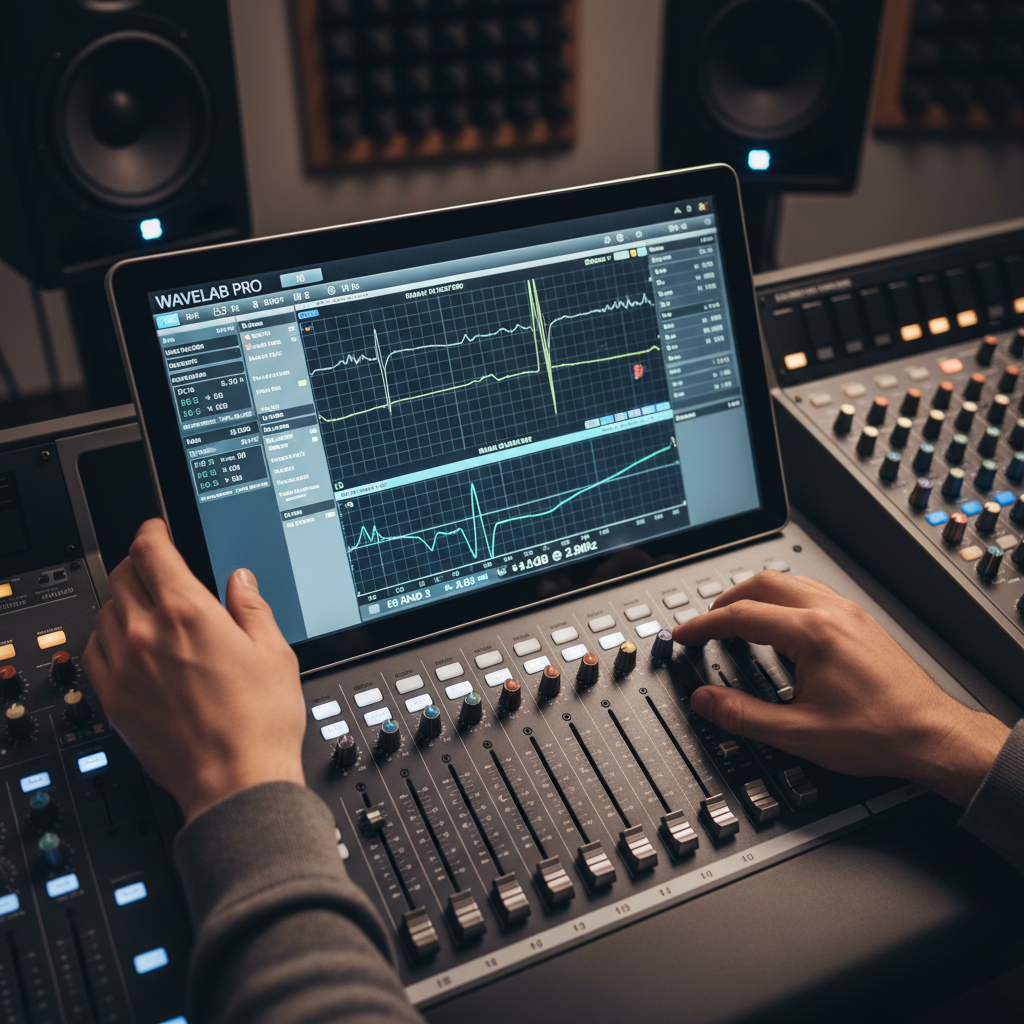
Compression is used to control the dynamic range of audio, ensuring that louder and quieter parts are balanced. However, over-compressing can squash the dynamics and make the audio sound lifeless. Under-compressing, on the other hand, may leave the audio with inconsistent volume levels.
To avoid these pitfalls, use compression sparingly and adjust the settings gradually. Always compare the compressed audio with the original to maintain a natural sound.
Skipping the Listening Test
After spending hours on a project, it's easy to become accustomed to its sound. Skipping the listening test on different devices is a mistake that can lead to audio that sounds great in the studio but poor elsewhere.
Test your mix on various speakers and headphones to ensure it translates well across different playback systems. This will help you identify any issues that might not be apparent in your primary setup.
Overcomplicating the Mix
It's easy to get carried away with effects and plugins, but overcomplicating the mix can lead to a cluttered and unfocused sound. Each element should have its space in the mix, allowing the important parts to shine through.
Keep your mix simple and only add elements that serve a purpose. Regularly reference your mix against professional tracks to stay on the right track.
Conclusion: Continuous Learning and Practice
Audio production is an art that requires continuous learning and practice. By staying aware of these common mistakes and actively working to avoid them, you can significantly improve the quality of your productions. Remember, even seasoned professionals make mistakes; the key is to learn from them and keep refining your skills.