
Common Misconceptions About Audio Production Debunked
Understanding Audio Production
Audio production is a fascinating field that combines creativity and technical skill. However, there are several misconceptions that often cloud people’s understanding of the process. Whether you're an aspiring producer or just curious about the field, it's important to separate fact from fiction.
Let's delve into some of the most common misconceptions about audio production and debunk them with clear explanations.
Misconception 1: High-End Equipment Is Essential
Many people believe that only expensive, high-end equipment can produce quality audio. While having good equipment can enhance sound quality, it's not the sole factor. A skilled producer can create excellent audio using mid-range gear. The key is understanding how to use what you have effectively.
In fact, focusing solely on equipment can distract from honing your actual production skills. Knowledge, creativity, and experience often outweigh the tools in your arsenal.
Misconception 2: Audio Production Is Only About Music
Audio production is often associated exclusively with music, but it encompasses much more. It plays a crucial role in film, television, radio, podcasts, and even video games. Each of these areas requires a unique approach and set of skills.
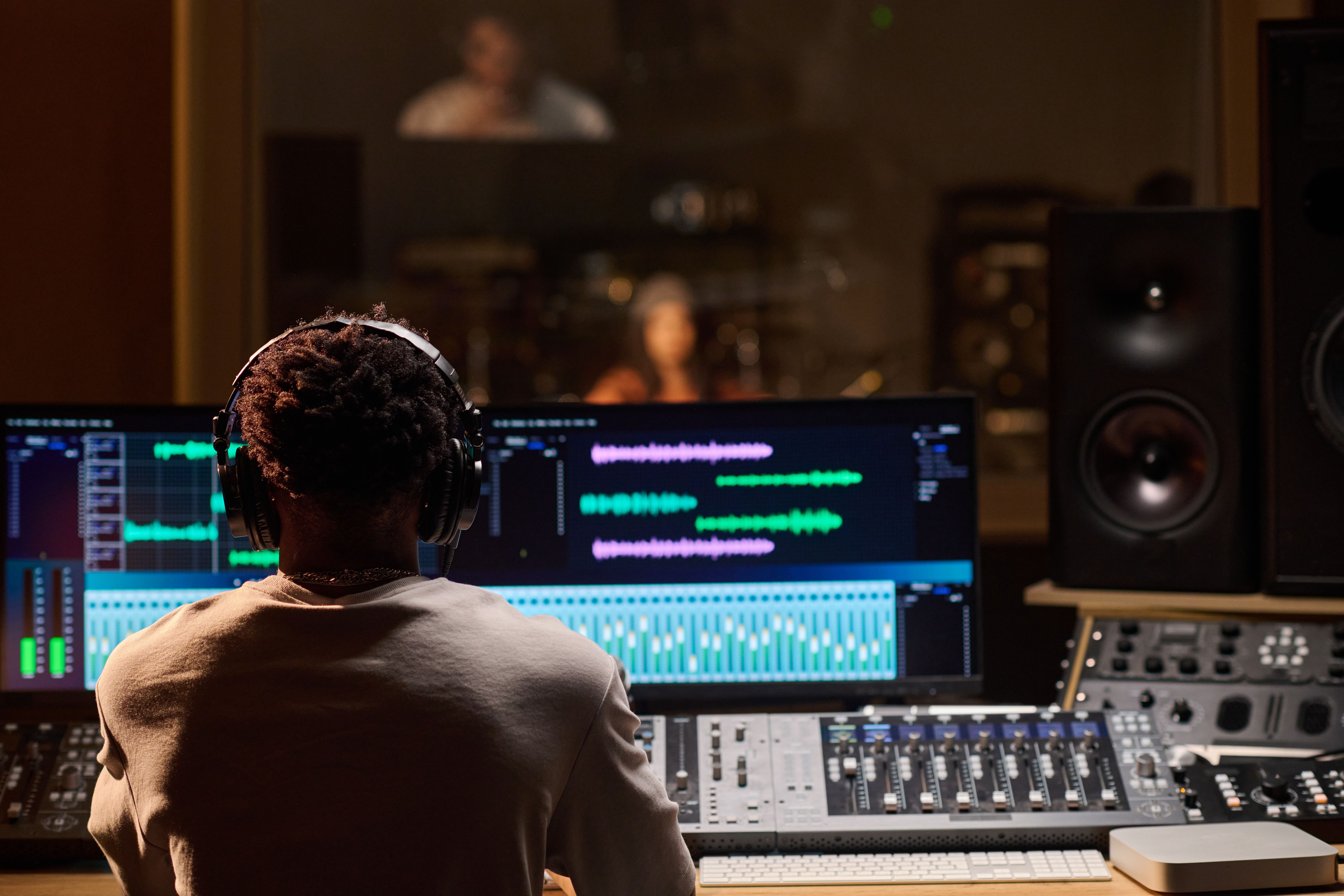
For instance, producing a podcast involves different techniques than creating a film score. Understanding the diverse applications of audio production can open up numerous career opportunities.
Misconception 3: You Need a Formal Degree
While formal education can be beneficial, it is not a necessity for success in audio production. Many successful producers are self-taught, leveraging online resources, tutorials, and hands-on practice.
The industry values experience, a strong portfolio, and a keen ear more than formal qualifications. Networking and continuously improving your skills can significantly advance your career.
Misconception 4: Mixing and Mastering Are the Same
Mixing and mastering are often confused, but they are distinct processes. Mixing involves adjusting individual tracks to achieve a balanced sound, while mastering is the final step that ensures the overall track sounds cohesive and polished across different playback systems.
Understanding the difference is crucial for anyone involved in audio production, as each process requires a different approach and skill set.
Misconception 5: Audio Production Is a Solo Endeavor
Another common misconception is that audio production is a solitary task. In reality, collaboration is a significant aspect of the field. Producers often work with artists, sound engineers, and other professionals to achieve the desired outcome.
Being open to feedback and learning to work well with others can greatly enhance the production process and lead to more successful projects.
By debunking these misconceptions, we hope to shed light on the true nature of audio production. It's a dynamic and multifaceted field that blends technical expertise with creativity, offering endless opportunities for those passionate about sound.