
DIY Audio Mixing Tips: Elevate Your Sound
Audio mixing is an art that combines creativity and technical skills to produce a polished and professional sound. Whether you're a budding musician or a seasoned audio engineer, knowing how to mix your tracks effectively can make a significant difference. Here are some DIY audio mixing tips to help you elevate your sound.
Understand Your Tools
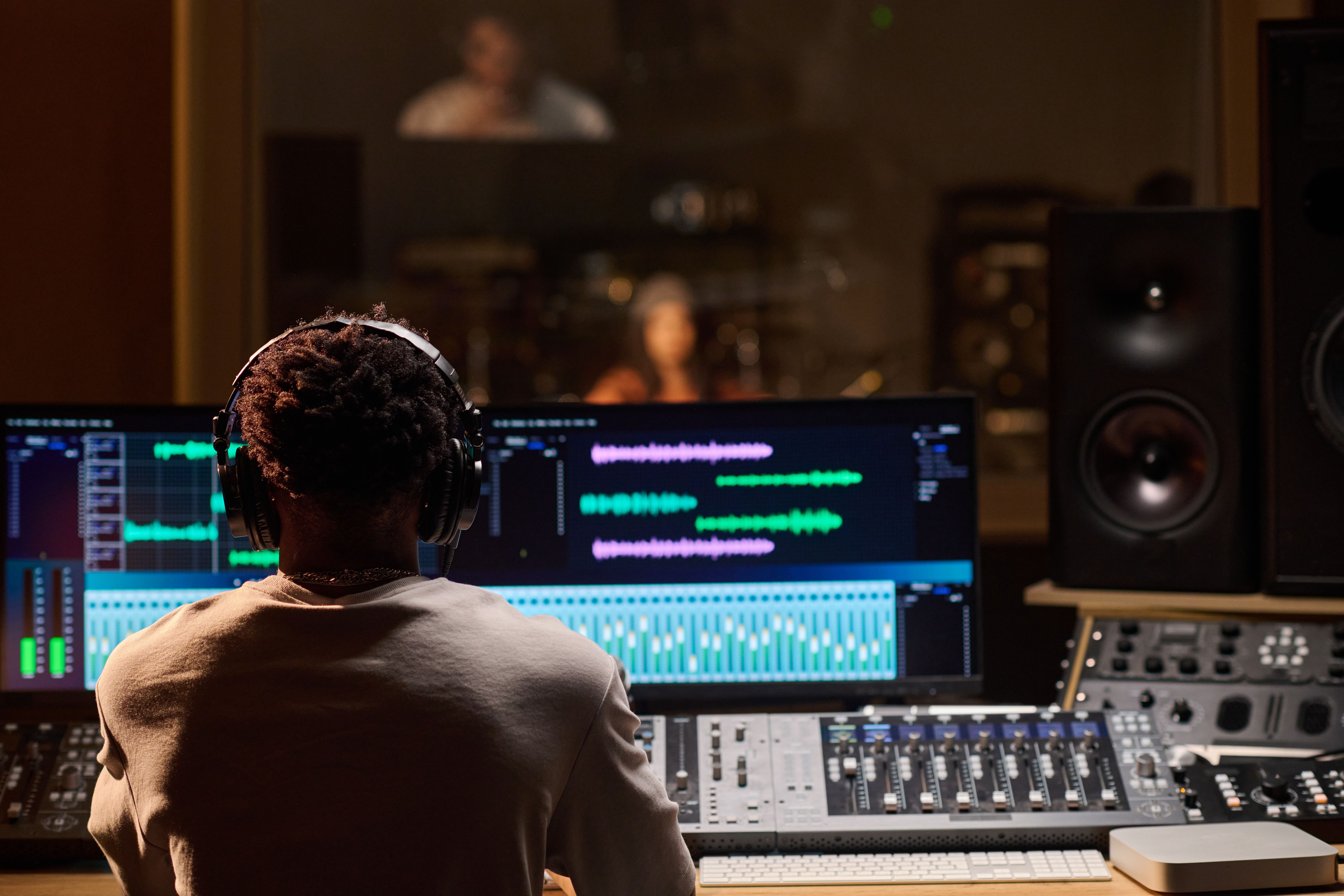
Before diving into mixing, it's crucial to understand the tools at your disposal. Familiarize yourself with your Digital Audio Workstation (DAW) and its features. Most DAWs offer EQ, compression, reverb, and other effects that are essential for mixing. Spend time exploring these tools and experimenting with their settings.
Start with a Good Balance
The first step in mixing is achieving a good balance between the different elements of your track. Begin by setting the levels of your instruments and vocals to ensure none are overpowering the others. Use the faders to adjust the volume and create a cohesive sound. A balanced mix is the foundation for all other mixing processes.
Utilize EQ Wisely
Equalization (EQ) is one of the most powerful tools in your mixing arsenal. Use EQ to cut unwanted frequencies and enhance the desirable ones. For instance, cutting low frequencies in non-bass instruments can prevent muddiness, while boosting high frequencies can add clarity and presence. Remember, subtle adjustments often yield the best results.
Compress with Care
Compression controls the dynamic range of your audio, making quiet sounds louder and loud sounds quieter. This can help maintain a consistent volume level across your track. Use compression to add punch to drums or smooth out vocal performances. Be cautious not to over-compress, as this can result in a lifeless and flat sound.
Add Depth with Reverb and Delay
To add depth and space to your mix, incorporate reverb and delay effects. Reverb can create a sense of environment, making your tracks feel like they were recorded in a specific space. Delay can provide an echo effect that adds richness and complexity. Use these effects sparingly to avoid cluttering your mix.
Panning for Width
Panning is the process of placing sounds within the stereo field. By strategically panning instruments left or right, you can create a sense of width and separation in your mix. This technique helps each element find its space, preventing them from clashing. Experiment with different panning positions to find what works best for your track.
Reference and Compare
One effective way to improve your mixing skills is by referencing professionally mixed tracks. Compare your mix with tracks in a similar genre to identify areas for improvement. This can provide valuable insights into achieving a polished and professional sound. Make adjustments to your mix based on your observations.
By following these DIY audio mixing tips, you can enhance your sound and produce high-quality tracks. Practice, patience, and persistence are key to mastering the art of mixing. Keep experimenting, and don't be afraid to trust your ears.