
DIY Audio Production: Essential Tools for Beginners
Introduction to DIY Audio Production
Diving into the world of audio production can be both exciting and overwhelming for beginners. With the right tools and a bit of creativity, you can transform your home into a personal studio. In this post, we'll explore essential tools that will help you start your journey in DIY audio production.
Whether you're a budding musician or a podcast enthusiast, having the right equipment is crucial to producing high-quality sound. Let’s delve into the essentials you’ll need to get started.
Basic Equipment for Beginners
Audio Interface
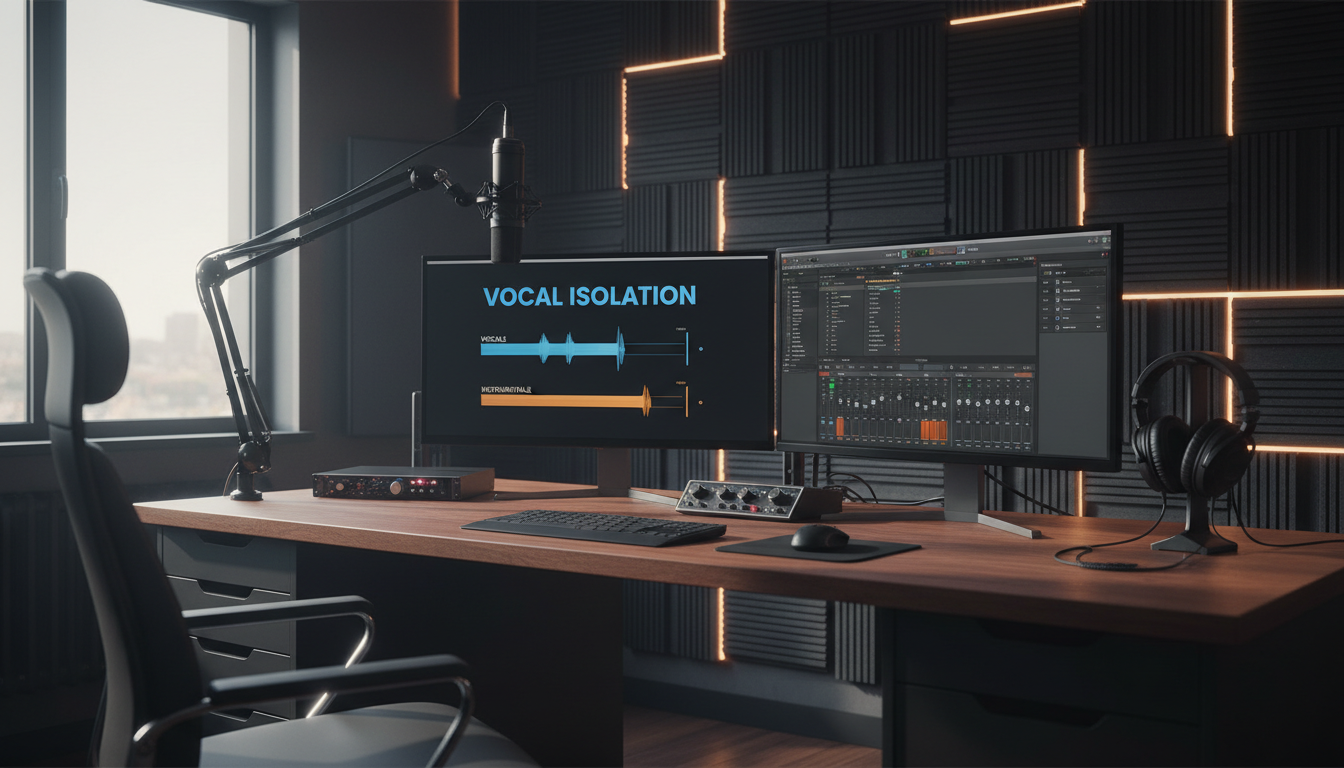
An audio interface is a crucial component for any home studio. It allows you to connect instruments and microphones to your computer. Look for one with at least two inputs and outputs for flexibility. Brands like Focusrite and PreSonus offer reliable options for beginners.
Microphones
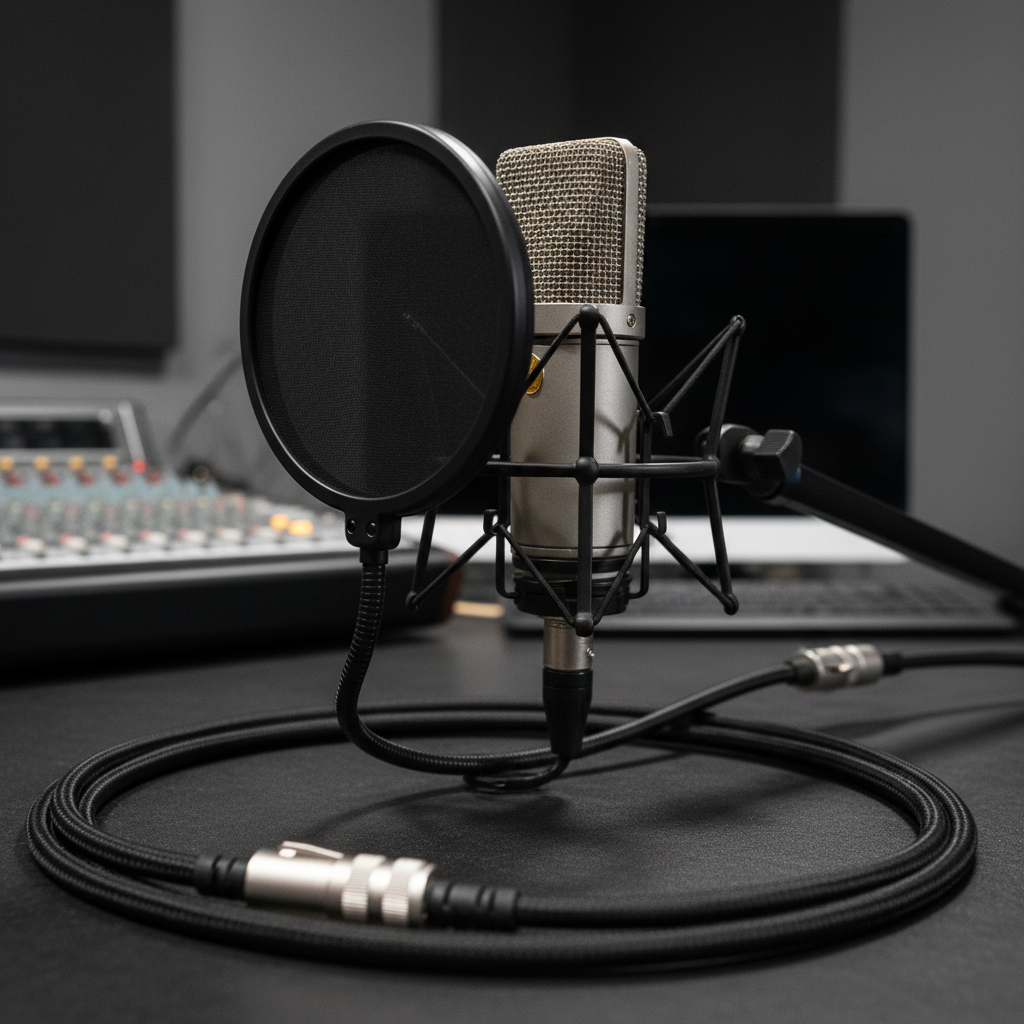
Choosing the right microphone depends on what you plan to record. A condenser microphone is versatile and ideal for vocals and acoustic instruments. For podcasting, a dynamic microphone can be a better choice due to its noise rejection capabilities.
Software and Digital Audio Workstations (DAWs)
A Digital Audio Workstation (DAW) is essential for recording, editing, and mixing your audio projects. Popular choices include Ableton Live, GarageBand (for Mac users), and FL Studio. Most DAWs offer a range of features, so take the time to explore and find one that suits your workflow.
Plugins and Virtual Instruments
To enhance your recordings, consider investing in plugins and virtual instruments. These tools can add depth and variety to your sound. Many DAWs come with built-in plugins, but third-party options like Waves and Native Instruments expand your creative possibilities.
Monitoring and Mixing
Studio Monitors
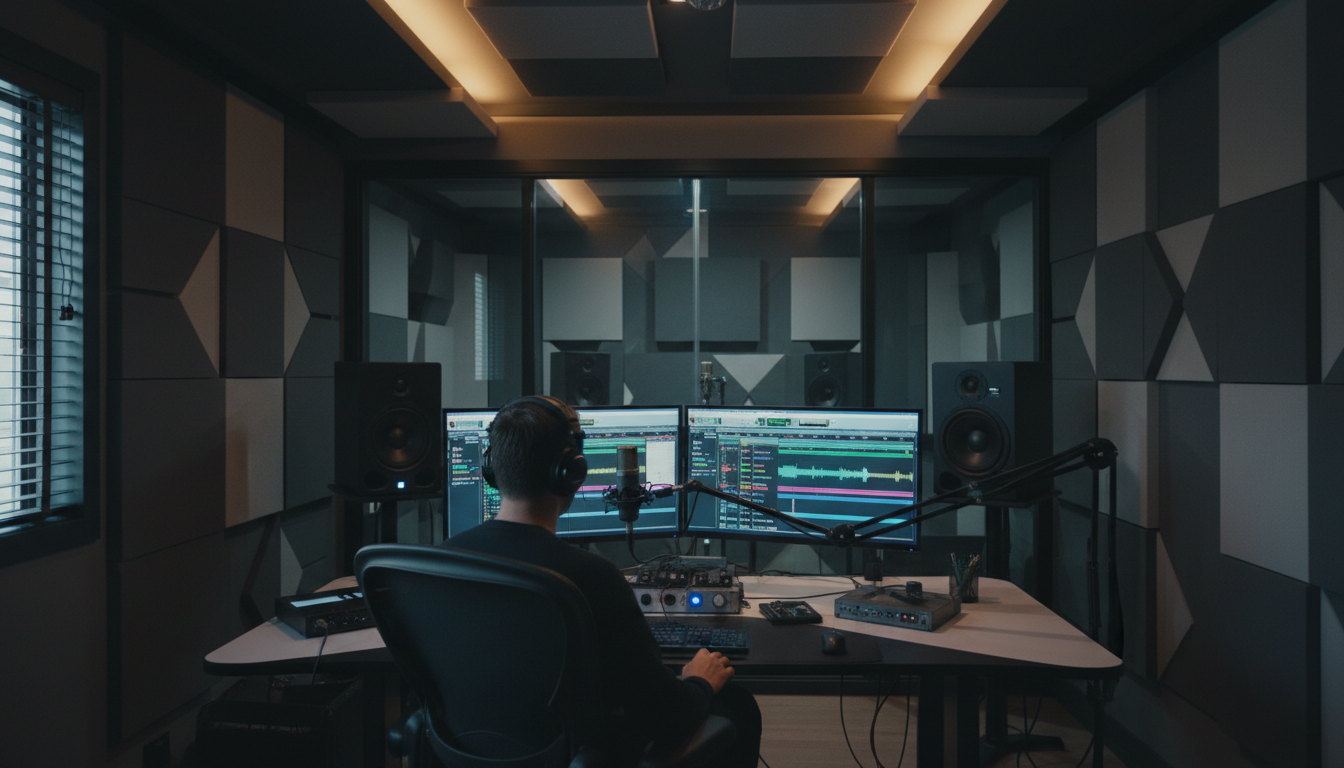
Accurate monitoring is crucial for mixing. Studio monitors provide a flat frequency response, allowing you to hear your recordings clearly. Look for monitors that fit your space and budget, with popular options from KRK and Yamaha.
Headphones
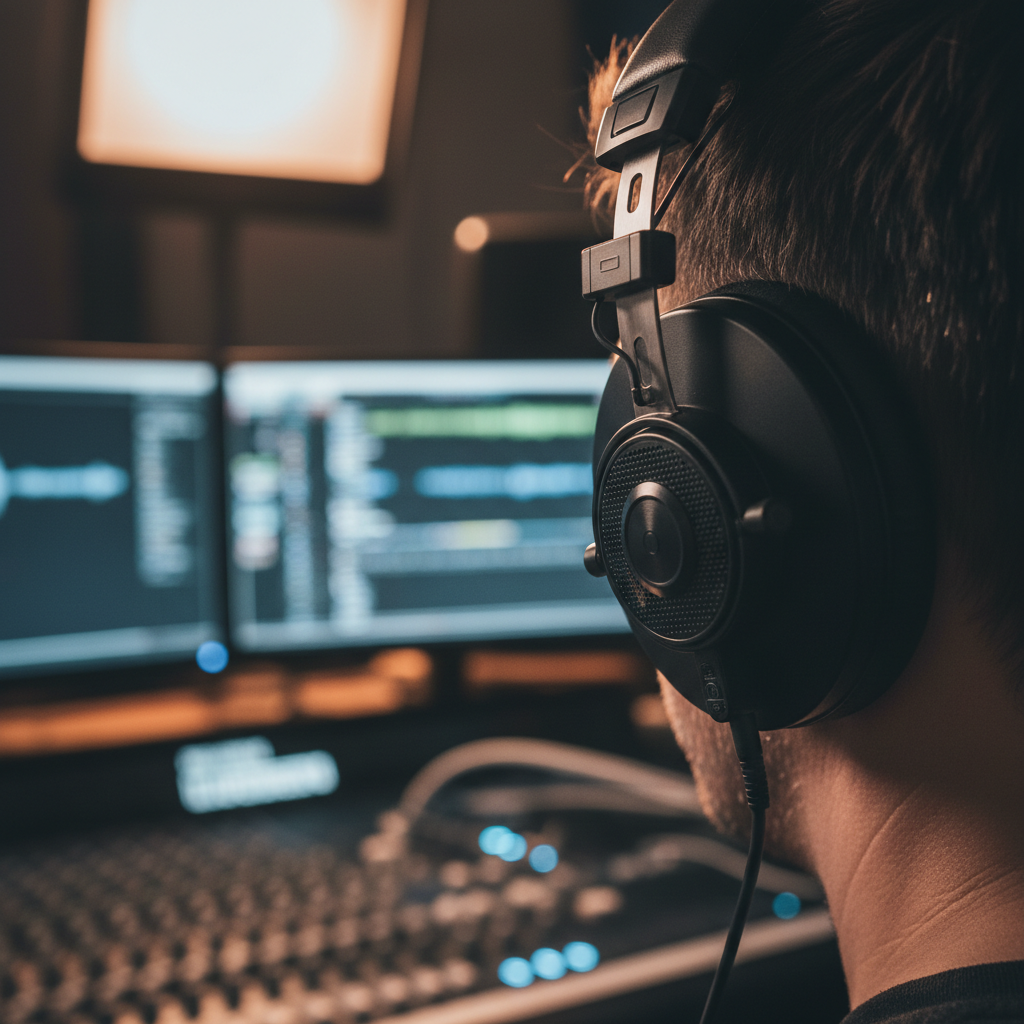
While studio monitors are ideal, a good pair of headphones is also essential for detailed listening. Choose closed-back headphones for recording to avoid sound leakage and open-back headphones for mixing due to their natural sound quality.
Conclusion
Embarking on your DIY audio production journey is an exciting adventure that requires the right tools. By investing in quality equipment and software, you’ll be well on your way to creating professional-sounding projects. Remember, practice and experimentation are key to mastering the art of audio production.
As you grow more comfortable with your setup, don't hesitate to explore advanced tools and techniques. Your creativity is the only limit. Happy recording!