
DIY Audio Production Tips: Elevate Your Home Studio
Setting Up Your Space
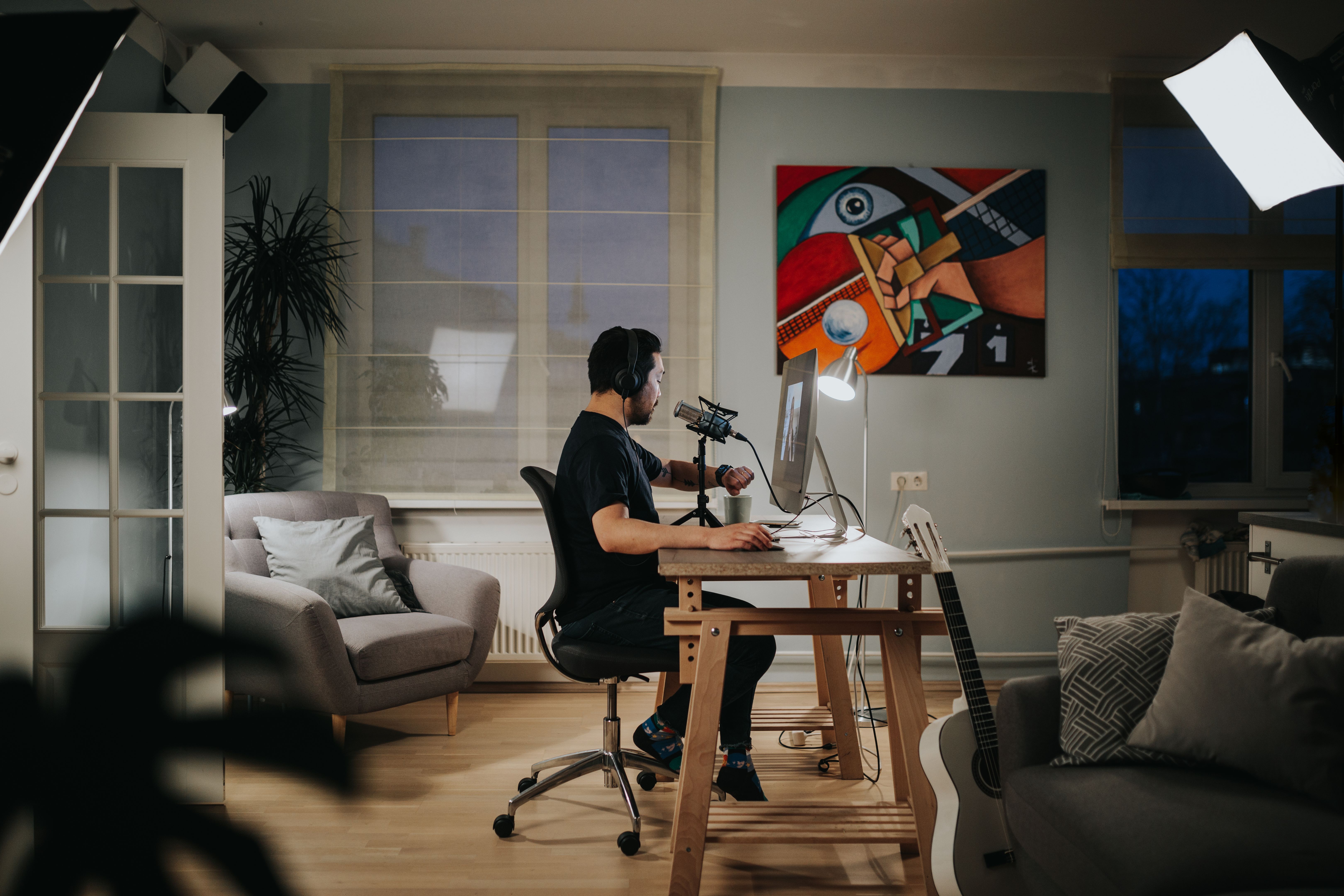
Creating the perfect home studio begins with setting up your space effectively. Choose a quiet room with minimal noise interference. Consider soundproofing your studio with foam panels or thick curtains to reduce echo and external noise. Proper soundproofing can significantly enhance the quality of your recordings.
Selecting the Right Equipment
Investing in the right equipment is crucial for high-quality audio production. Start with a reliable microphone and headphones. A condenser microphone is ideal for capturing detailed vocals, while a dynamic microphone works well for instruments. Ensure your headphones are comfortable for long sessions and offer accurate sound reproduction.
Audio Interface and Software
An audio interface is essential for connecting your microphone and instruments to your computer. Look for one that suits your budget and needs, offering multiple input options if required. Additionally, choose a Digital Audio Workstation (DAW) that you find intuitive and feature-rich. Popular options include Ableton Live, Logic Pro, and FL Studio.

Optimizing Your Recording Process
To elevate your recordings, focus on optimizing your recording process. Ensure your microphone is positioned correctly, typically at mouth level for vocals, and experiment with different placements for instruments. Use a pop filter to minimize plosive sounds and maintain a consistent distance from the microphone.
Monitoring and Adjusting Sound
When recording, monitor your sound levels closely. Aim for a balance between avoiding clipping and capturing a strong signal. Adjust levels as needed and consider using a compressor to smooth out dynamic variations in your audio. Regularly check your recordings for any unwanted noise or distortion.
Enhancing Your Mix
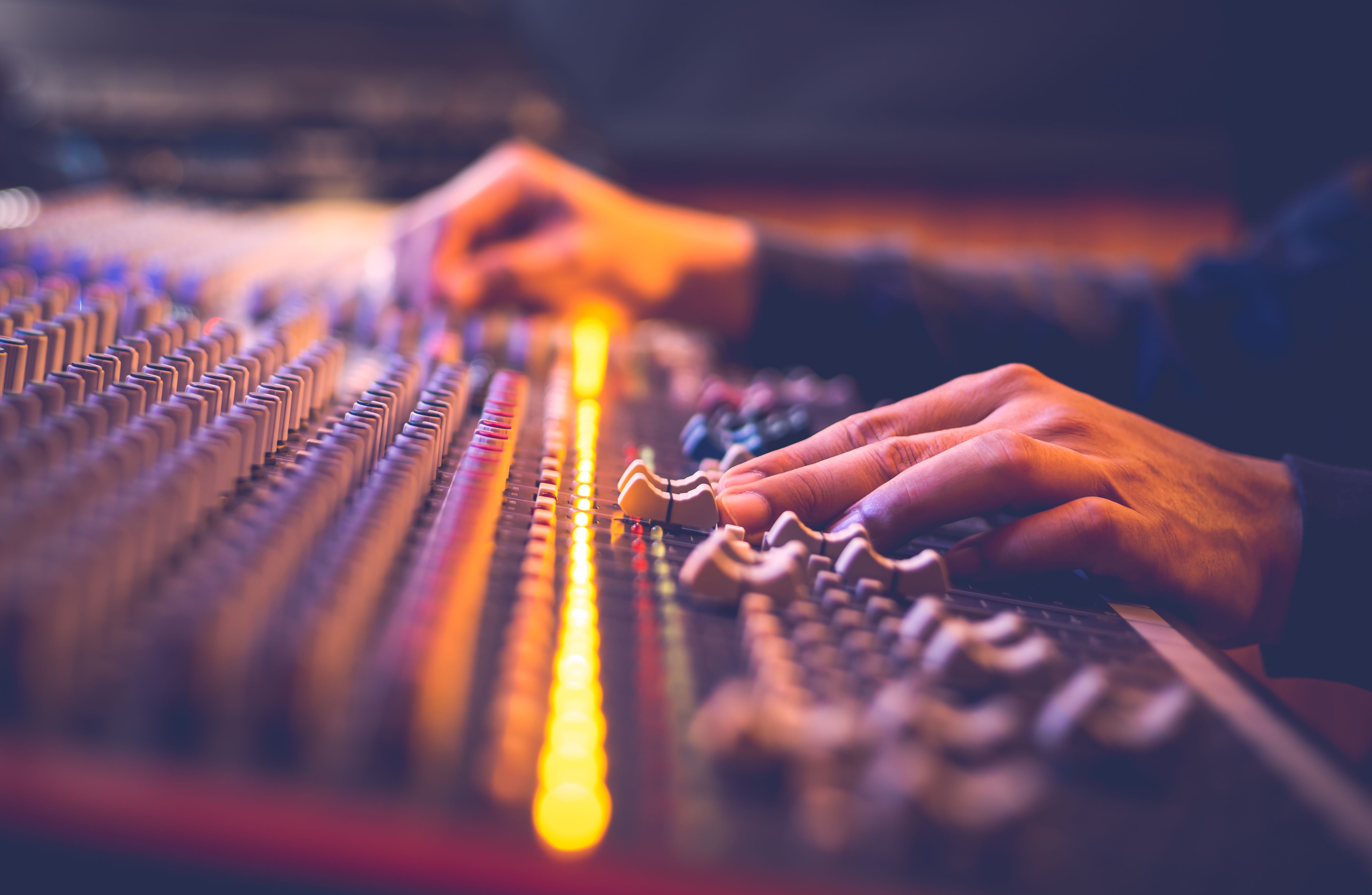
Mixing is where your production truly comes to life. Begin by balancing the levels of each track, ensuring that no single element overpowers the rest. Use equalization (EQ) to carve out space for each instrument, enhancing clarity and separation.
Adding Effects for Depth
Incorporate effects like reverb and delay to add depth and dimension to your mix. Be mindful of not overdoing it; subtlety often works best. Experiment with different settings to find what complements your tracks without overwhelming them.
Mastering Your Track
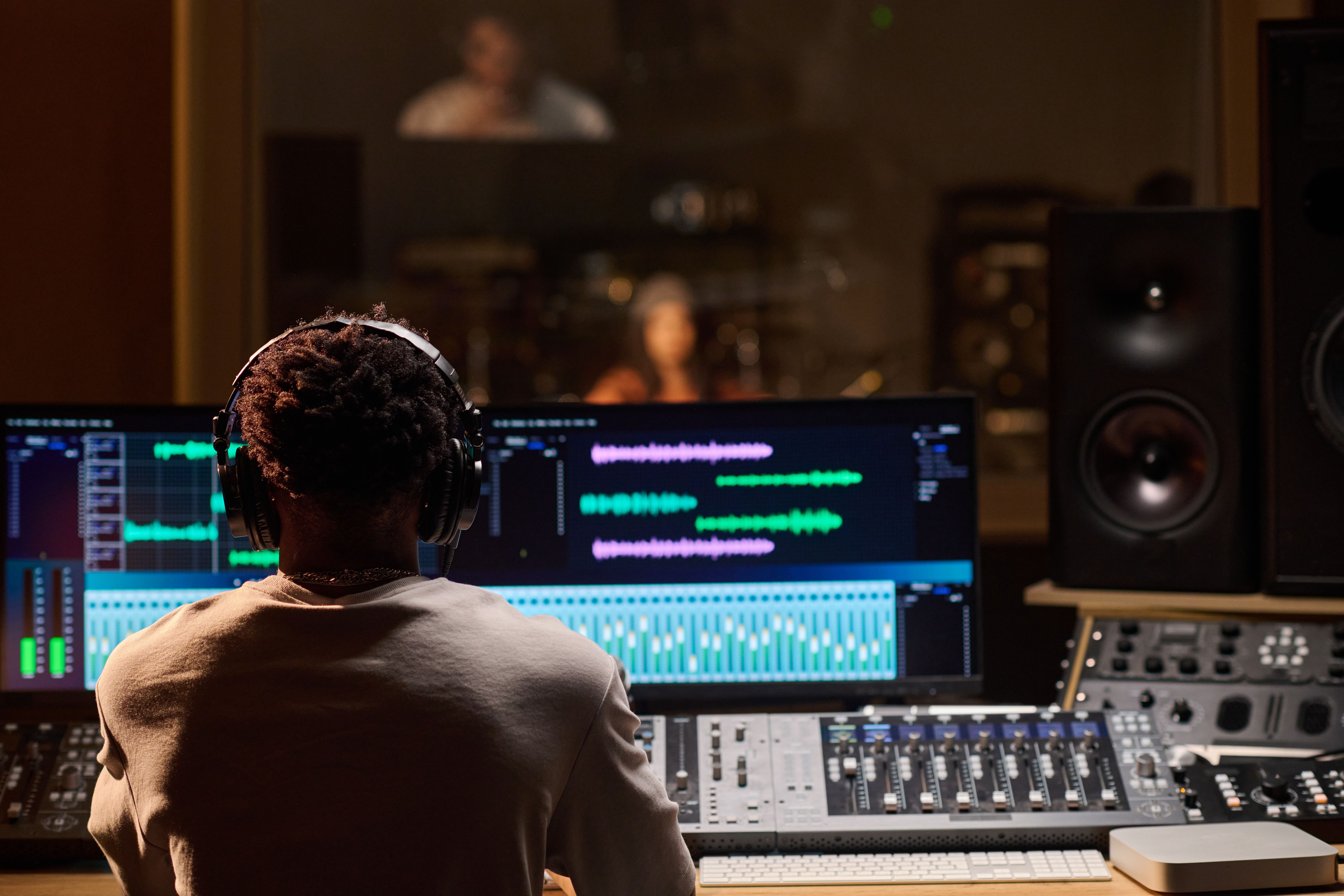
Mastering is the final step in audio production, preparing your track for distribution. Use mastering tools to adjust the overall volume, enhance clarity, and ensure consistency across different playback systems. Consider using reference tracks to guide your mastering process and achieve a professional sound.
By following these DIY audio production tips, you can significantly elevate the quality of your home studio recordings. Remember, practice and experimentation are key to developing your skills and finding your unique sound.