
DIY Audio Production Tips for Beginners
Getting Started with DIY Audio Production
Embarking on your DIY audio production journey can be both exciting and overwhelming. With the right guidance and tools, you can produce professional-quality audio from the comfort of your home. This guide will provide you with essential tips to help you get started on the right foot.
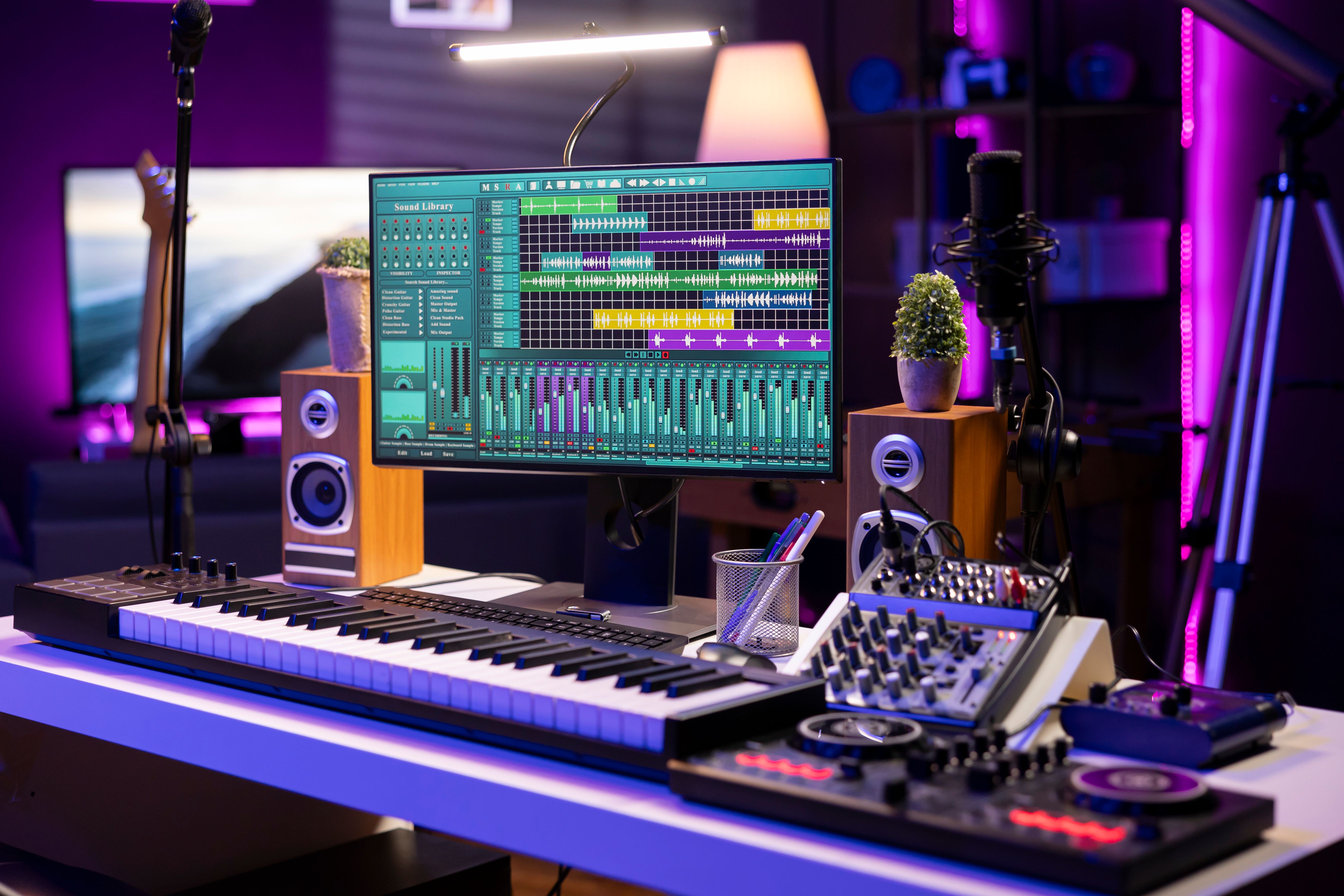
Setting Up Your Home Studio
The first step in audio production is creating a dedicated space for your work. Choose a quiet room or a corner that minimizes external noise. Invest in basic equipment like a good quality microphone, headphones, and an audio interface. Remember, you don't need to break the bank; start with what fits your budget and upgrade as you go.
Acoustics play a crucial role in sound quality. Use rugs, curtains, and foam panels to reduce echo and improve sound clarity. A well-treated room can significantly enhance your recordings.
Choosing the Right Software
Selecting the right Digital Audio Workstation (DAW) is essential for audio production. Some popular options include Ableton Live, Logic Pro, and FL Studio. Many DAWs offer free trials, so take advantage of these to find the one that suits your workflow best.
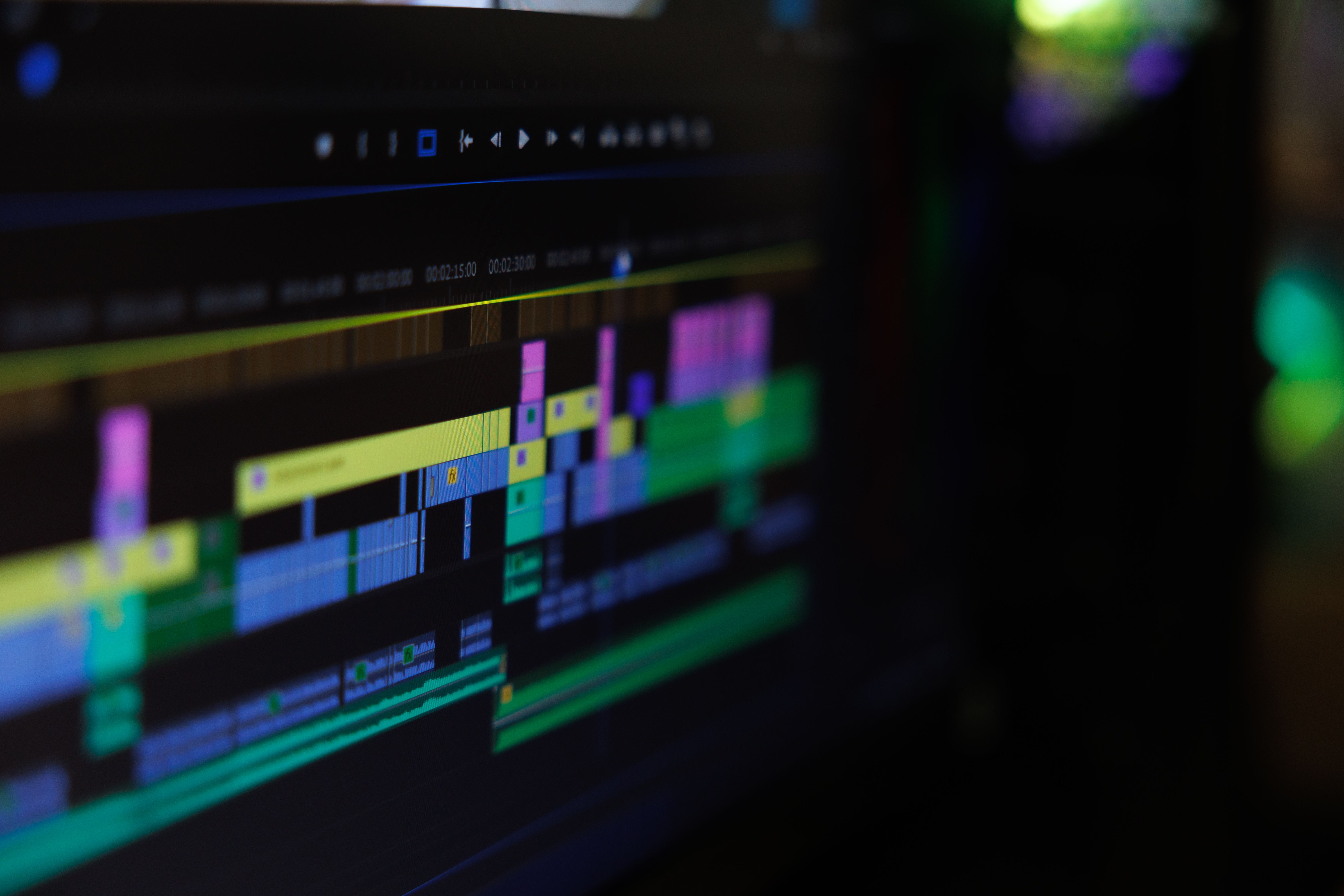
Explore the features each DAW offers, such as virtual instruments, effects, and editing capabilities. As a beginner, consider starting with a more user-friendly option to ease the learning curve.
Recording Techniques
When recording, always aim for the best possible sound at the source. Ensure your microphone is positioned correctly and your levels are set appropriately to avoid distortion. Experiment with different mic placements to find the sweet spot for your specific setup.
Keep an eye on your gain levels. It's better to record at a lower volume and boost it later if needed. This approach helps maintain audio integrity and reduces the risk of clipping.
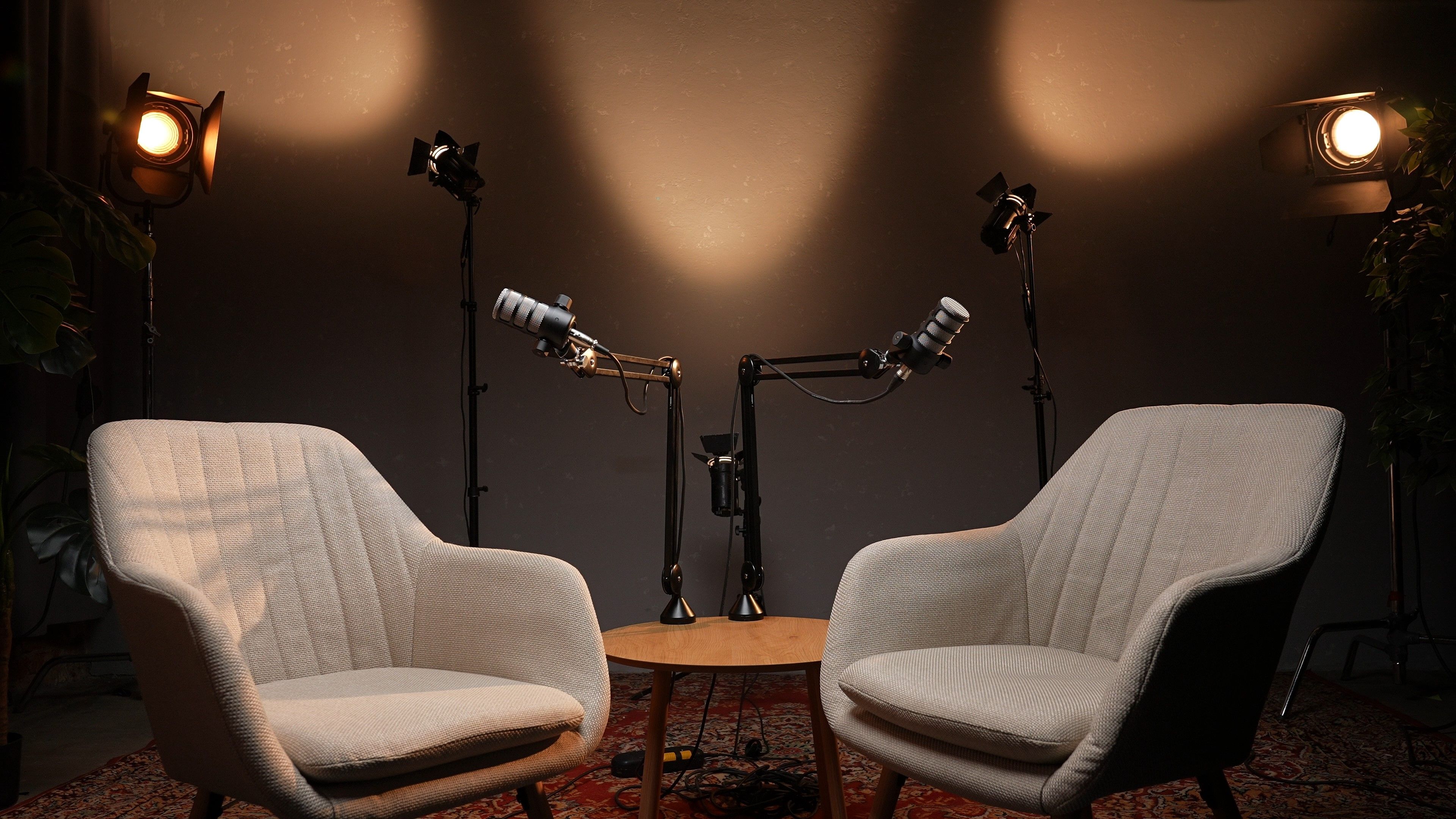
Editing and Mixing
Once your recordings are complete, it's time to edit and mix your tracks. Start by organizing your project and removing any unwanted noise or silence. Use EQ to balance frequencies and compression to manage dynamics.
Pan your tracks to create a sense of space and depth. This technique helps in distinguishing different elements in your mix, making it more engaging.
Mastering Your Tracks
Mastering is the final step in audio production, where you prepare your track for distribution. Use mastering plugins to adjust levels, enhance clarity, and ensure your track sounds good on all playback systems.
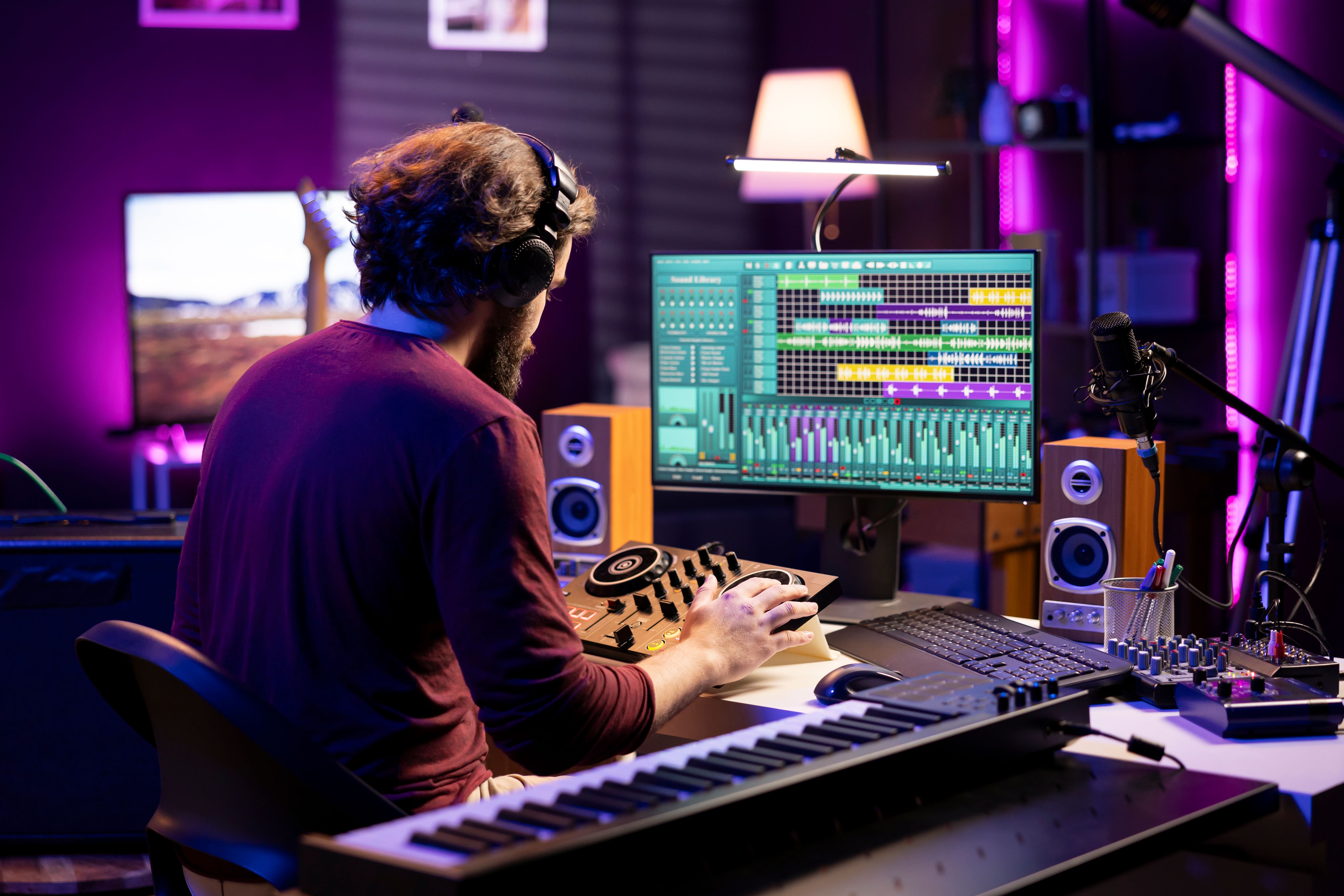
Pay attention to loudness levels to avoid distortion while ensuring your track is competitive with commercial releases. Take breaks during this process to maintain fresh ears.
Continuous Learning and Experimentation
Audio production is a field that rewards creativity and continuous learning. Stay updated with the latest trends and techniques by joining online communities, reading articles, and watching tutorials.
Experiment with new sounds, plugins, and techniques to develop your unique style. Remember, practice makes perfect, and every project is an opportunity to improve.