
DIY Audio Production Tips for Beginners
Getting Started with DIY Audio Production
Embarking on your DIY audio production journey can be both exciting and daunting. With the right tools and techniques, you can create high-quality audio from the comfort of your home. In this guide, we'll cover some essential tips to help beginners get started in the world of audio production.
Invest in the Right Equipment
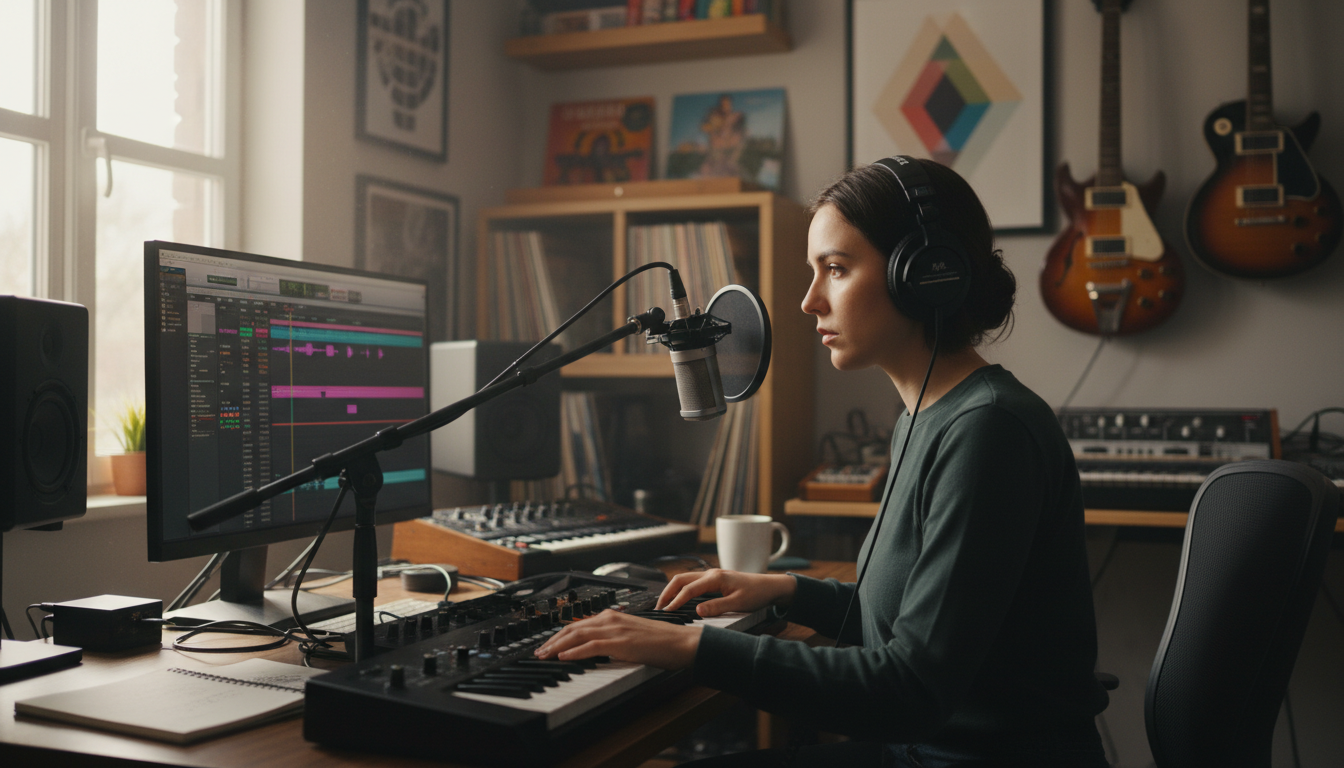
Choosing the right equipment is crucial. While it's tempting to buy the most expensive gear, beginners should focus on the essentials:
- Microphone: A good quality condenser microphone is a great starting point.
- Audio Interface: This device connects your microphone to your computer, ensuring high-quality sound transfer.
- Headphones: Invest in closed-back headphones to accurately monitor your recordings.
Understand Your Software
Digital Audio Workstations (DAWs) are the heart of audio production. Popular DAWs like Ableton Live, FL Studio, and GarageBand offer user-friendly interfaces for beginners. Spend time exploring your chosen DAW and familiarize yourself with its features and functions.
Recording Techniques
Proper recording techniques can make a significant difference in the quality of your audio. Here are a few tips to consider:
- Environment: Choose a quiet room and minimize background noise.
- Microphone Placement: Position your microphone correctly to avoid distortion and capture clear sound.
- Gain Staging: Ensure your audio signals are neither too weak nor too strong to prevent clipping.
Editing and Mixing
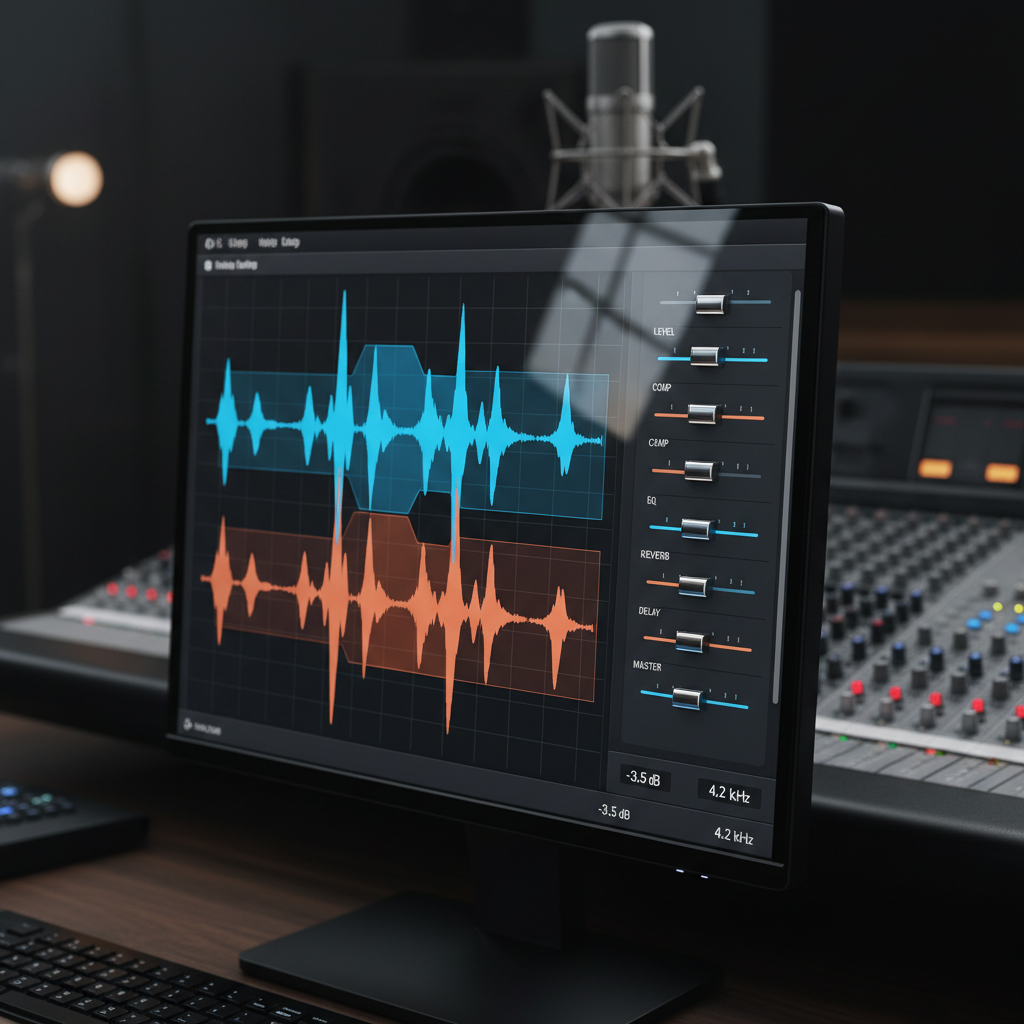
Once your audio is recorded, the next step is editing and mixing. Start by removing any unwanted noise or errors. Use EQ to balance frequencies and compression to manage dynamics. Panning can create a sense of space, while reverb and delay add depth to your mix.
Mastering Your Tracks
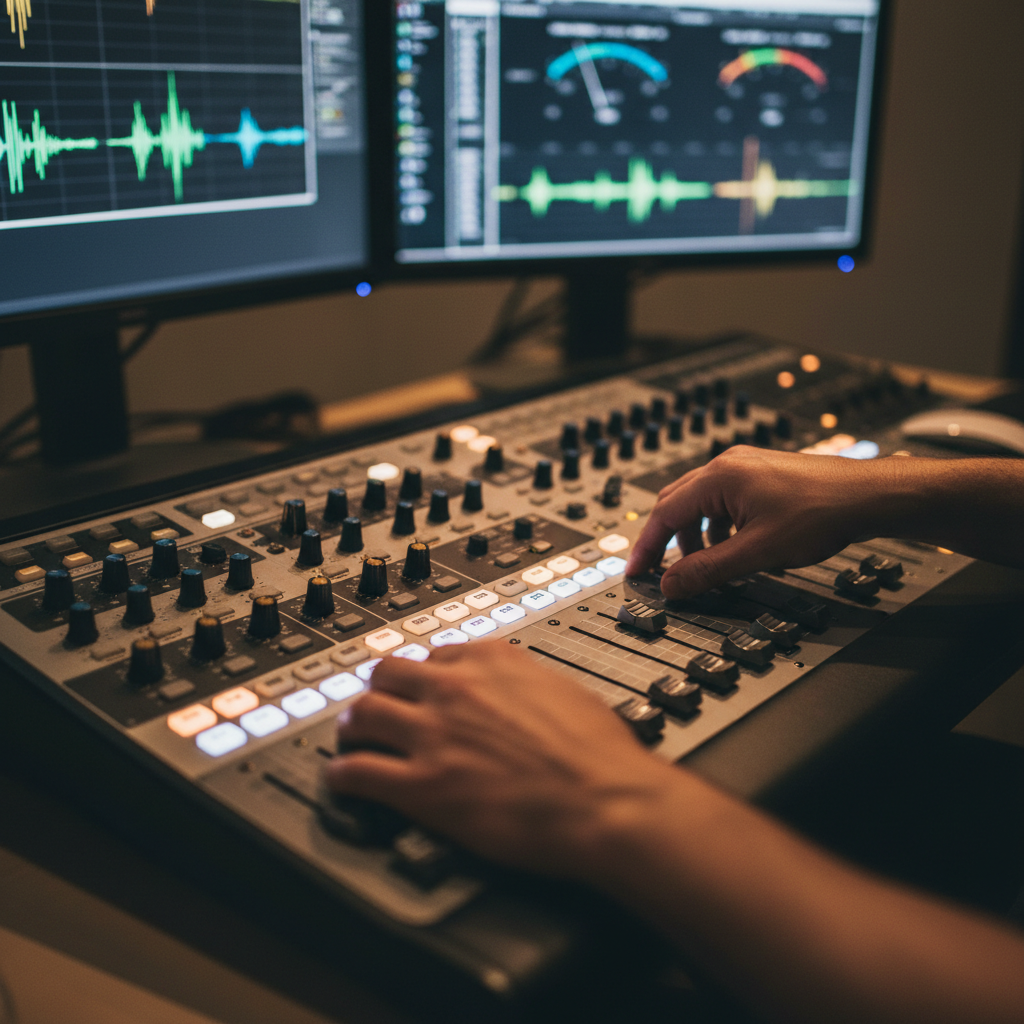
Mastering is the final step in audio production. It involves fine-tuning your mixed tracks to ensure they sound polished and professional. Use mastering plugins to adjust levels, enhance clarity, and ensure your audio translates well on different playback systems.
Continuous Learning and Experimentation
Audio production is a vast field, and there's always more to learn. Join online communities, attend workshops, and watch tutorials to continuously improve your skills. Don't be afraid to experiment with different techniques and styles to find your unique sound.
By following these tips and consistently practicing, you'll be well on your way to producing impressive audio tracks. Remember, the key to mastering DIY audio production is patience and persistence.