
DIY Home Studio Setup: A Step-by-Step Guide for Beginners
Setting up a DIY home studio can be an exciting project, whether you're a musician, podcaster, or content creator. With the right equipment and setup, you can achieve professional-quality results without leaving your home. This guide will walk you through the essential steps to create a functional and inspiring home studio.
Choosing the Right Space
The first step in setting up your home studio is selecting the right space. Consider a room that's quiet and away from household noise. An ideal space would have minimal echo and good acoustics, but you can make adjustments later with acoustic treatment.
Assessing Acoustics
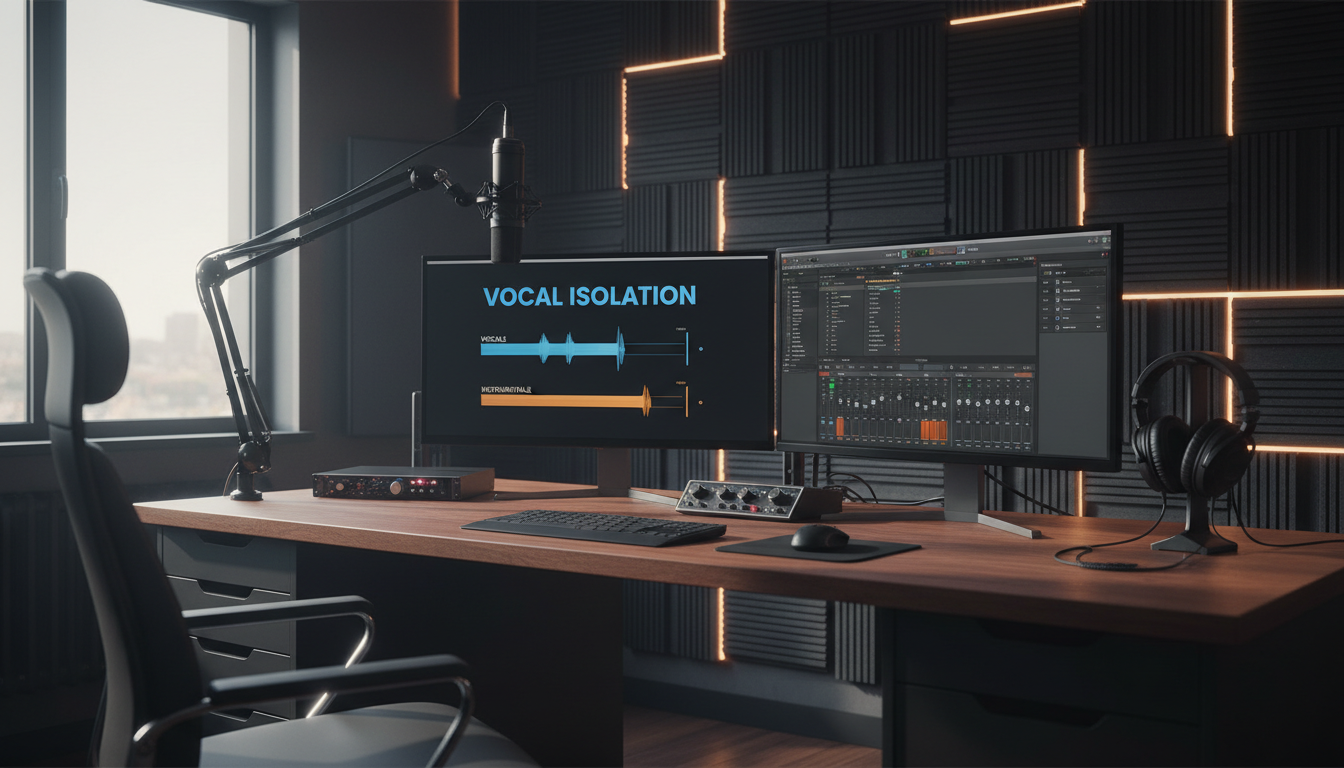
Once you've chosen a room, evaluate its acoustics. Hard surfaces like windows and floors can cause sound reflections, so consider adding rugs or curtains to help absorb sound. You might also want to invest in some acoustic panels to optimize sound quality.
Essential Equipment
Building a home studio requires some essential gear. Here's a basic list to get you started:
- Computer: A reliable computer is crucial for running recording software.
- Audio Interface: This device connects your instruments and microphones to your computer.
- Microphones: Depending on your needs, you may want a dynamic or condenser microphone.
- Headphones: Invest in a good pair of studio headphones for accurate sound monitoring.
Additional Gear
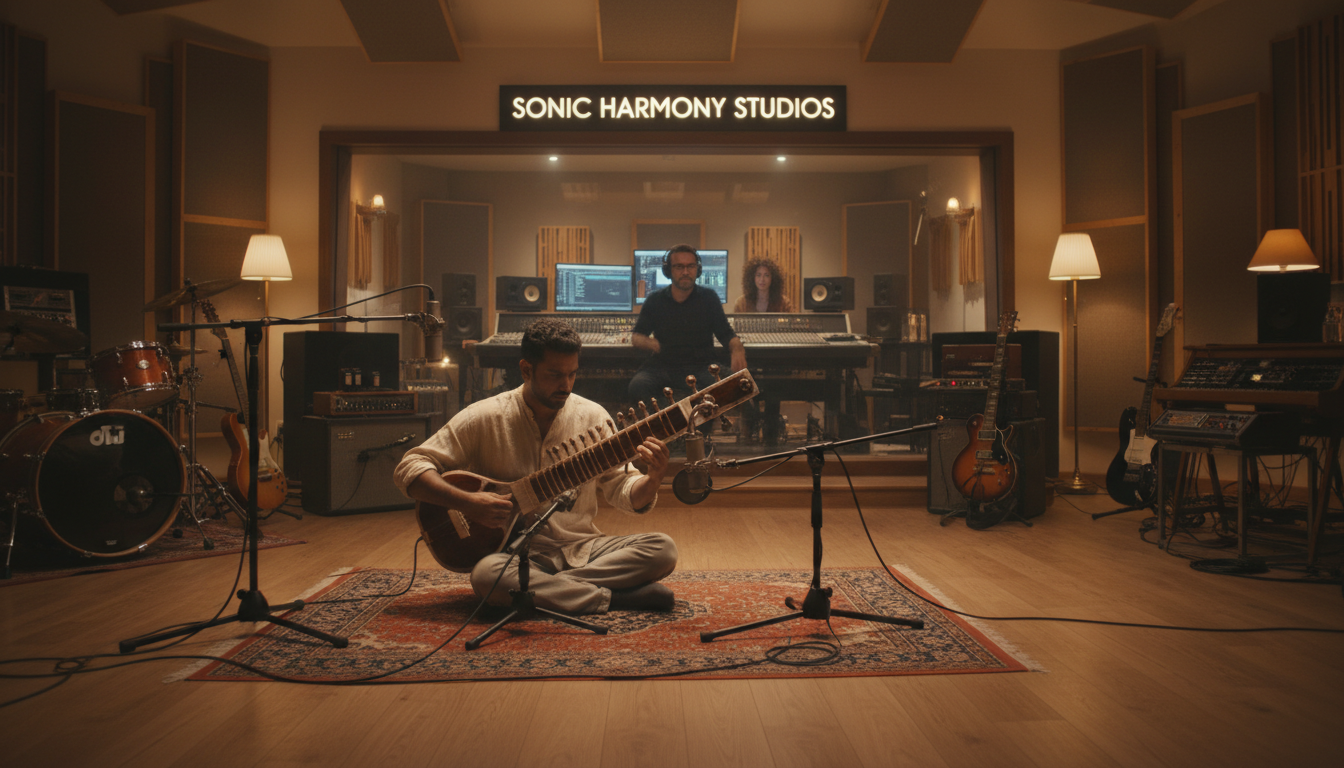
Depending on your projects, you might need additional gear like MIDI controllers, studio monitors, or specialized microphones. Consider what you'll be recording and plan your purchases accordingly.
Setting Up Your Studio
With your equipment ready, it's time to set up your studio. Start by positioning your desk and chair in a way that allows for easy access to all equipment. Your computer and audio interface should be centrally located, with cables neatly organized to avoid clutter.
Testing Your Setup
Once everything is connected, test your setup by recording a short audio clip. Check for any issues with sound quality or equipment functionality. Make adjustments as necessary to ensure everything is working smoothly.
Improving Your Space
As you become more familiar with your home studio, you might find areas for improvement. Consider adding more acoustic treatment, upgrading your equipment, or reorganizing your space for better workflow. The key is to create an environment that inspires creativity and productivity.
Setting up a DIY home studio is a rewarding process that allows you to explore your creative passions in a personalized space. By following these steps, you'll be well on your way to producing high-quality work from the comfort of your own home.