
DIY Home Studio Setup: Essential Tips from the Song Guy
Setting up a home studio can be an exciting yet daunting task. Whether you're an aspiring musician, podcaster, or content creator, having a dedicated space for your craft is crucial. In this guide, we'll delve into essential tips to help you create a functional and inspiring DIY home studio.
Choosing the Right Space
The first step in setting up your home studio is selecting the right space. Ideally, you want a room that is quiet, away from household noise, and has minimal echo. A spare bedroom, basement, or even a large closet can be transformed into a cozy studio.
Consider the acoustics of the room. Rooms with hard surfaces can cause unwanted echoes, so choose a space that is carpeted or has rugs and curtains to absorb sound.
Essential Equipment
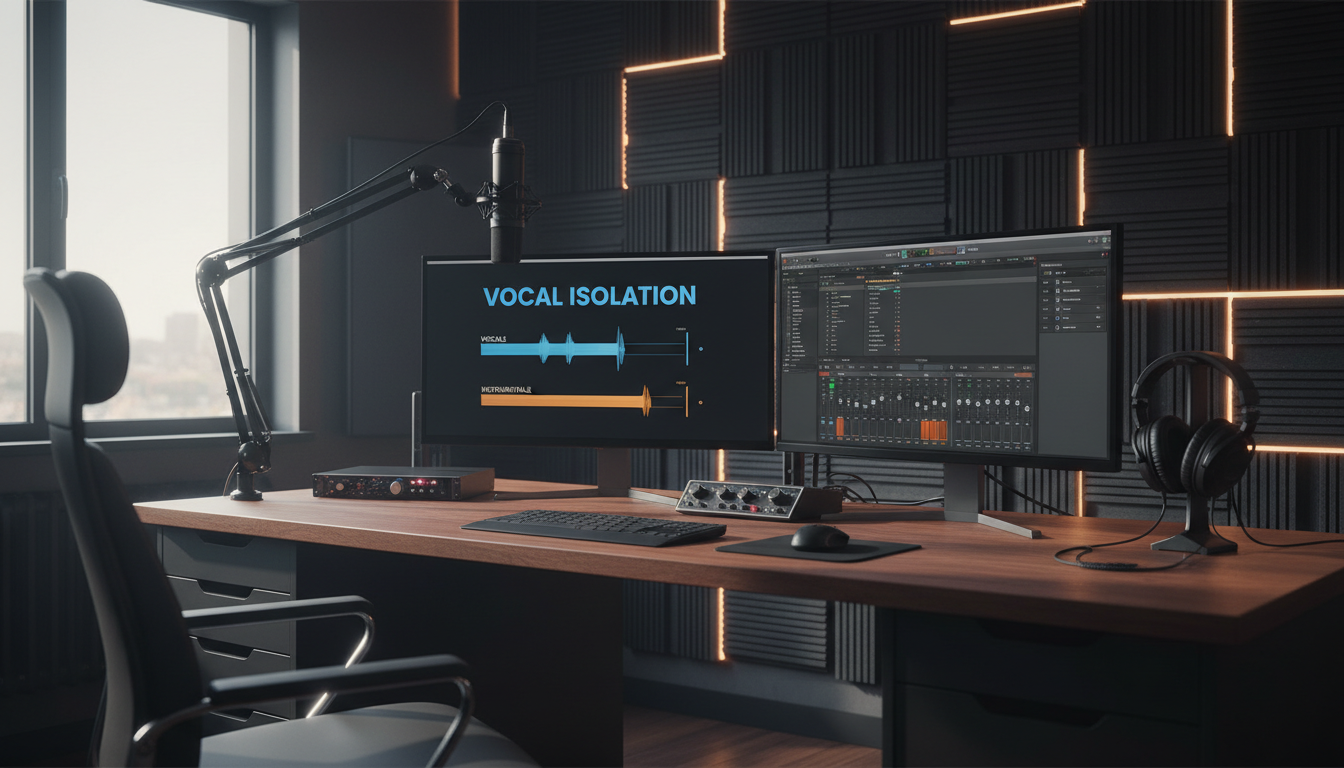
Once you've chosen your space, it's time to gather the essential equipment. Here’s a basic list to get you started:
- Computer: A reliable computer is the heart of your studio. Ensure it has enough processing power for your needs.
- Audio Interface: This device connects your instruments or microphones to your computer, providing high-quality sound input and output.
- Microphone: Invest in a good quality microphone suitable for your recording needs.
- Headphones: A pair of quality headphones is essential for monitoring your recordings.
Remember to choose equipment that fits your budget and specific needs.
Setting Up Your Workspace
Organizing your workspace efficiently can boost your creativity and productivity. Arrange your desk to keep essential equipment within reach. Consider using cable organizers to avoid a tangled mess.
Lighting plays a crucial role in creating the right atmosphere. Use soft, ambient lighting to reduce eye strain, especially during long recording sessions.
Treating Your Room Acoustically
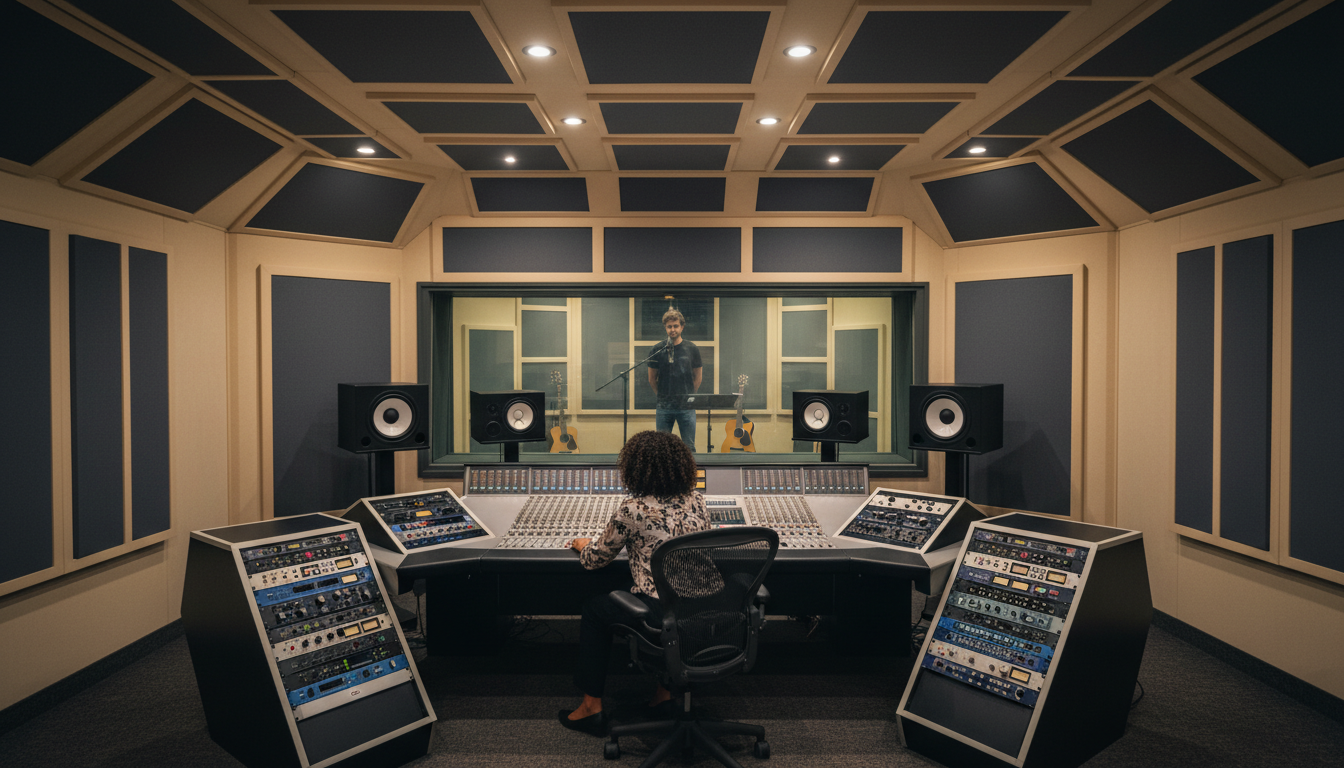
For optimal sound quality, consider treating your room acoustically. This doesn't mean you need to break the bank on professional soundproofing. Simple DIY solutions like foam panels, bass traps, and acoustic blankets can make a significant difference.
Focus on treating the primary reflection points in the room, such as walls directly facing your speakers, to improve sound clarity.
Software and Plugins
Choosing the right software is just as important as selecting your hardware. Digital Audio Workstations (DAWs) like Ableton Live, Logic Pro, or Pro Tools are popular choices among professionals. Experiment with different DAWs to find one that suits your workflow.
Additionally, explore various plugins to enhance your recordings. From virtual instruments to effects, plugins can significantly expand your creative possibilities.
Personalizing Your Space
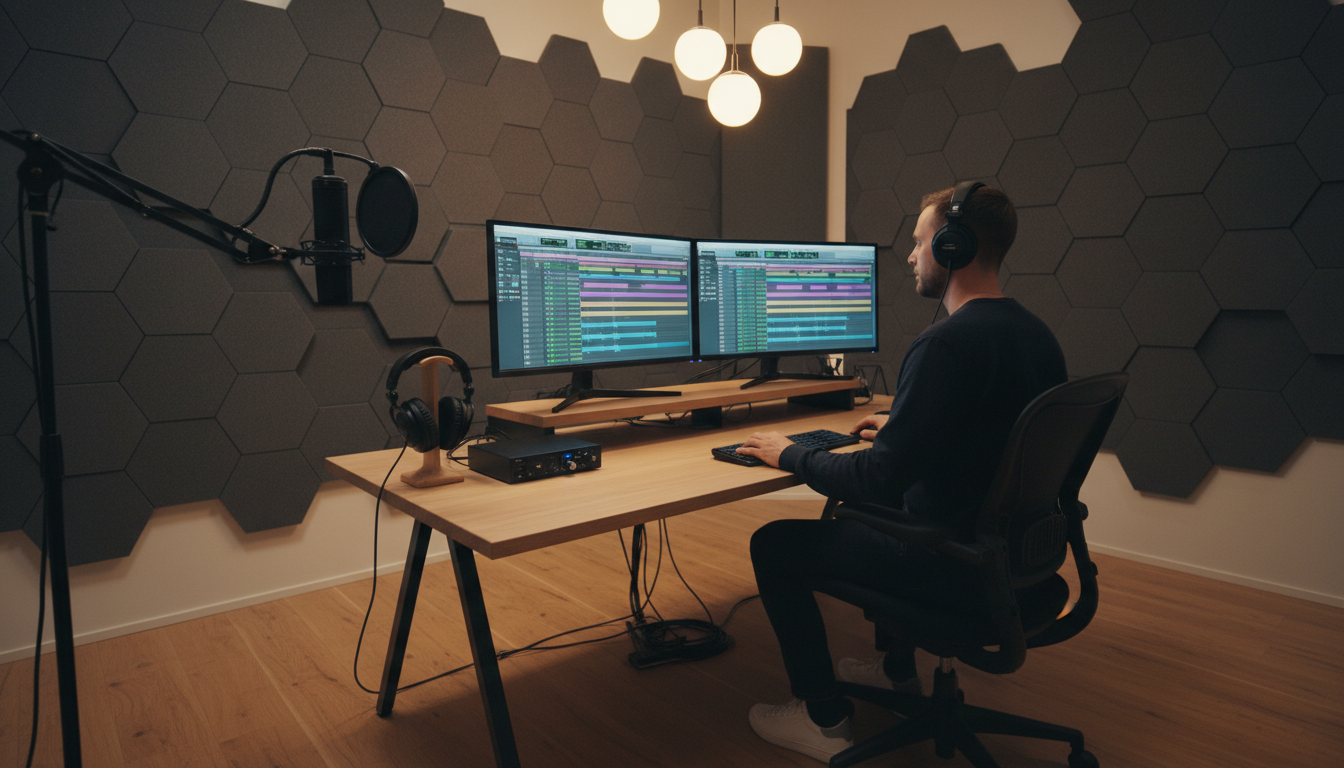
Your studio should be a reflection of your personality and style. Decorate the space with elements that inspire you—whether it's artwork, plants, or memorabilia. A personalized environment can fuel your creativity and make your studio feel like a true haven.
By following these essential tips, you'll be well on your way to creating a DIY home studio that not only meets your technical needs but also inspires your artistic journey. Happy creating!