
DIY Tips for Setting Up a Home Recording Studio
Choosing the Right Space
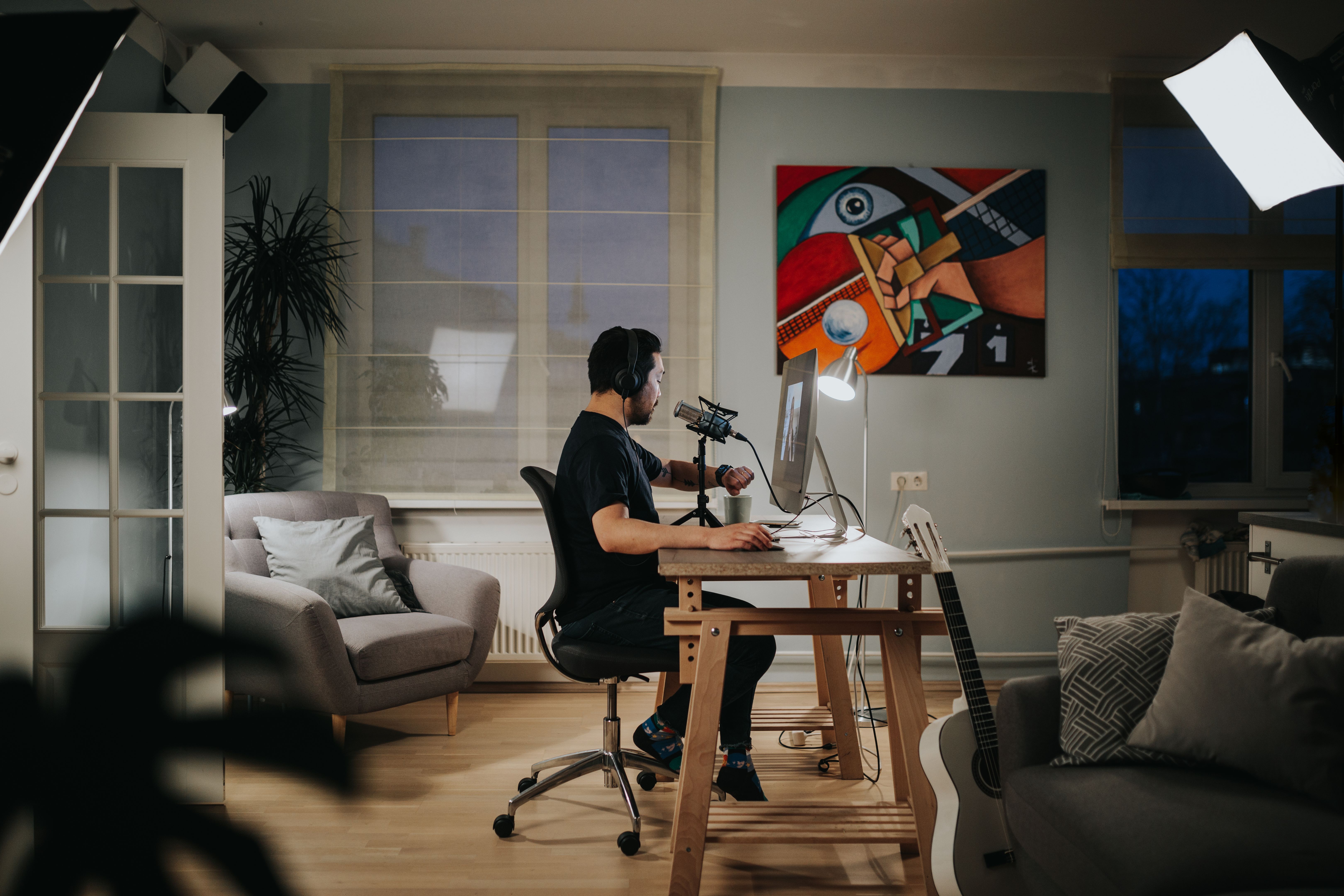
Setting up a home recording studio starts with selecting the ideal space. Look for a room that's isolated from external noise and has minimal echo. Rooms with carpeted floors and thick curtains are great for sound absorption. Avoid spaces with too many windows or flat surfaces, as these can reflect sound waves, causing unwanted noise.
Essential Equipment
Microphones
The quality of your recordings largely depends on the microphone you use. Consider investing in a good-quality condenser microphone for vocals and an instrument-specific mic for recording instruments. These will ensure clarity and precision in your recordings.
Audio Interface
An audio interface is crucial for connecting your microphones and instruments to your computer. Look for an interface that offers multiple input options and is compatible with your recording software. This device will convert analog signals into digital data and vice versa.

Soundproofing and Acoustics
Soundproofing is key to ensuring high-quality recordings. You can use foam panels, bass traps, and diffusers to minimize external noise and manage sound reflections. Acoustic treatment is equally important. It helps in controlling how sound behaves within your studio, enhancing the overall recording quality.
Setting Up Your Computer and Software
Your computer is the heart of your recording studio. Ensure it has sufficient RAM and storage to handle large audio files. Pair it with reliable Digital Audio Workstation (DAW) software like Pro Tools, Ableton Live, or Logic Pro, depending on your preference and budget. These tools offer powerful editing and mixing capabilities.
Monitoring and Mixing
Studio Monitors
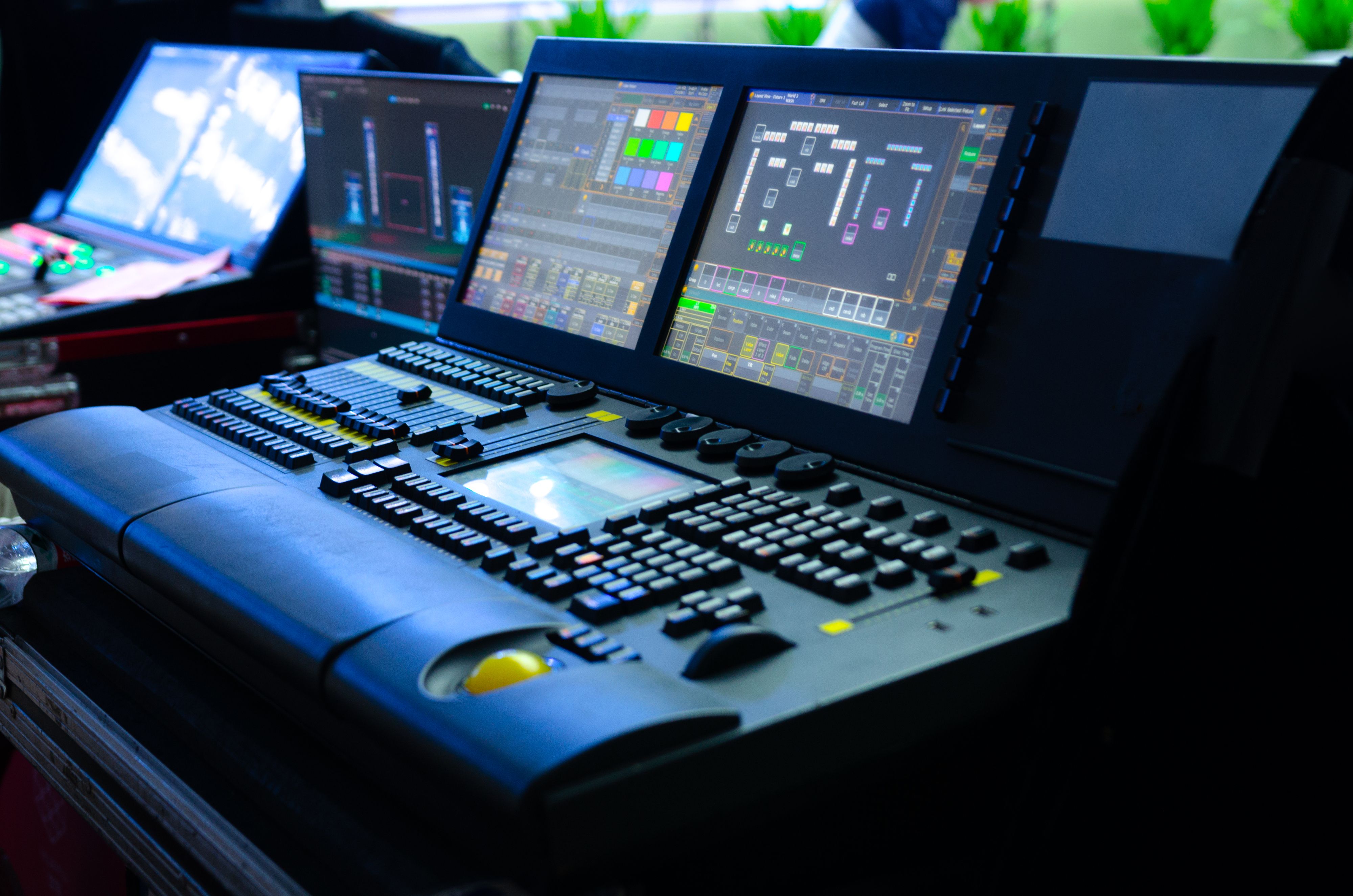
Invest in quality studio monitors to accurately hear your recordings. Unlike regular speakers, studio monitors provide a flat frequency response, ensuring you hear the true sound without any coloration.
Headphones
Closed-back headphones are essential for recording, as they prevent sound bleed. For mixing, consider open-back headphones for a more natural listening experience. Both are crucial for different stages of your production process.
Organizing Your Studio
Once all the equipment is set up, organize your studio for efficient workflow. Use cable organizers to avoid tangles and clutter. Keep frequently used items within arm's reach and create a comfortable space that encourages creativity.

Final Touches
Now that your studio is set up, take time to fine-tune and test everything. Record a few test tracks to check for any issues with acoustics or equipment. Make adjustments as needed to ensure your studio is ready for professional-quality recording.
Remember, setting up a home recording studio is a process that requires patience and creativity. With the right setup, you'll be well on your way to producing exceptional audio content from the comfort of your home.