
How to Choose the Right Audio Equipment for Your Studio
Understanding Your Studio Needs
Choosing the right audio equipment for your studio starts with understanding your specific needs. Are you setting up a home studio for podcasting, or are you planning to record a full band? The type of projects you intend to work on will significantly influence your equipment choices. For instance, a singer-songwriter might prioritize a high-quality condenser microphone, while a podcaster might focus on dynamic microphones and audio interfaces.

Microphones: The Heart of Your Studio
Microphones are one of the most crucial components in any studio. There are different types of microphones, each suited for specific purposes:
- Condenser Microphones: Ideal for capturing vocals and high-frequency instruments.
- Dynamic Microphones: Durable and perfect for live performances and loud sound sources.
- Ribbon Microphones: Known for their natural sound, often used in studios for vocals and strings.
Consider your primary use case when selecting a microphone to ensure you get the best sound quality.
Audio Interfaces: Connecting Your Gear
The audio interface is the bridge between your microphones and your computer. It converts analog signals into digital data. When choosing an audio interface, consider the number of inputs and outputs you need, as well as the quality of the preamps. Look for interfaces with low latency and high sample rates to maintain the integrity of your recordings.
Studio Monitors: Hearing Your Work Accurately
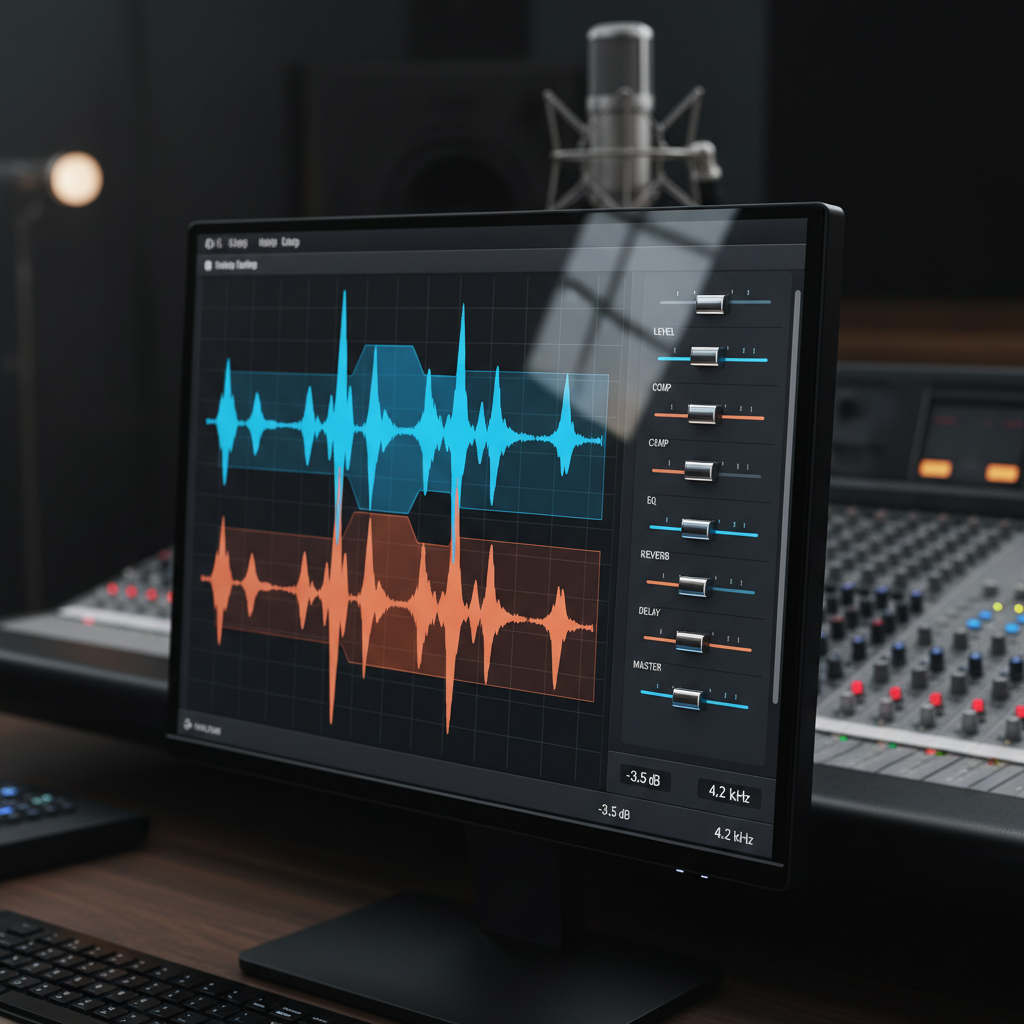
Studio monitors are designed to provide an accurate representation of your audio. Unlike regular speakers, they have a flat frequency response to let you hear your recordings as they truly are. When selecting studio monitors, consider the size of your room and your budget. Larger rooms may require bigger monitors to fill the space effectively.
Headphones: A Personal Monitoring Solution
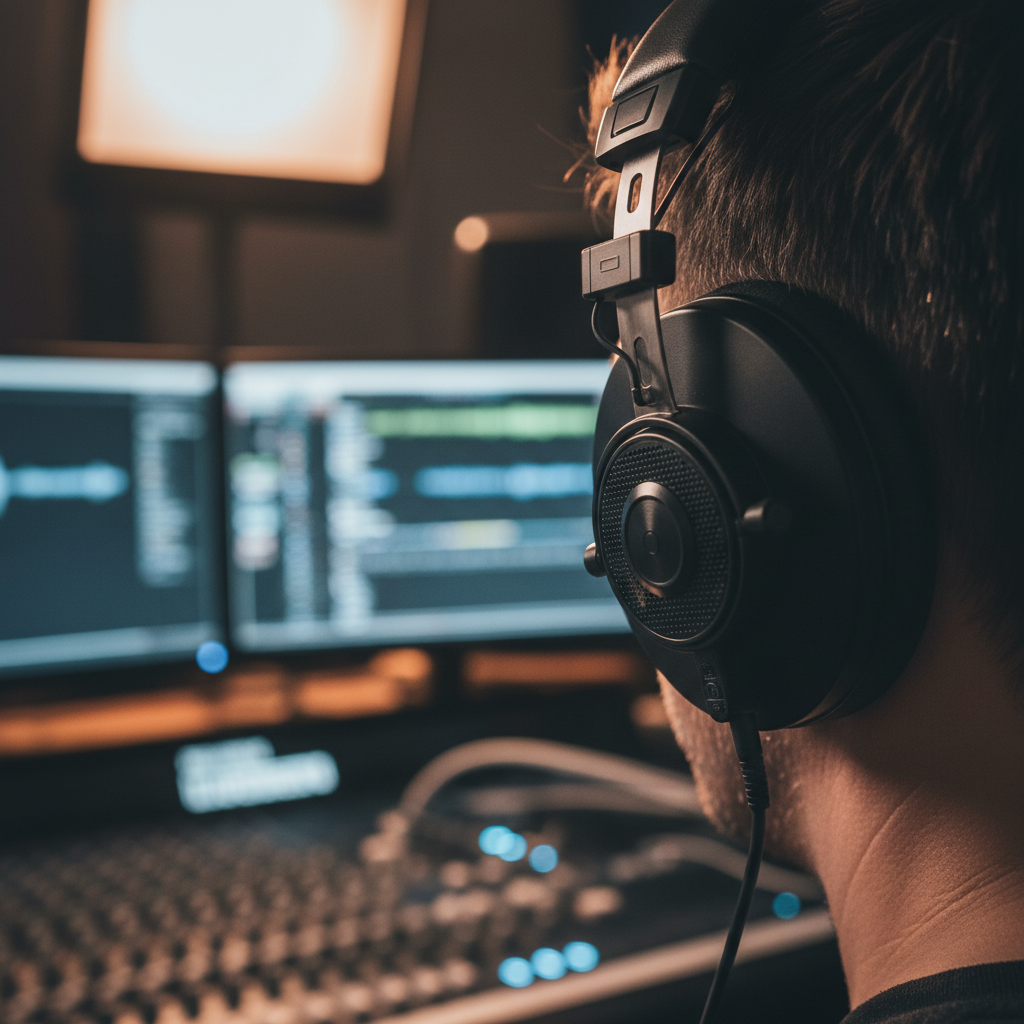
While studio monitors are essential, headphones offer a personal monitoring solution that can be equally important. Look for closed-back headphones for tracking and open-back headphones for mixing. This combination will ensure you have the right tools for different stages of your production process.
Cables and Accessories: The Unsung Heroes
Don’t overlook the importance of quality cables and accessories. Poor cables can introduce noise and degrade your audio quality. Invest in durable, high-quality cables to ensure reliable connections. Additionally, consider accessories like pop filters, mic stands, and acoustic treatment to enhance your recording environment.
Software: The Digital Workspace
Finally, choose the right software to complement your hardware. Digital Audio Workstations (DAWs) like Pro Tools, Ableton Live, and Logic Pro offer different features and workflows. Select a DAW that aligns with your production style and needs. Additionally, explore plugins and virtual instruments to expand your creative possibilities.
In conclusion, selecting the right audio equipment for your studio involves careful consideration of your specific needs and budget. By understanding the role of each component and how they work together, you can create a setup that enhances your creative process and helps you achieve professional-quality recordings.