Seasonal Audio Production Tips for Winter Projects
Preparing Your Studio for Winter
As the temperature drops, it's essential to ensure your studio environment is optimized for winter. Cold weather can affect both equipment and sound quality. Start by checking the insulation in your recording space. Good insulation not only keeps the warmth in but also helps dampen outside noise, which can be more prevalent during winter with wind and rain.
Consider using a space heater to maintain a consistent temperature. However, make sure it's quiet enough not to interfere with your recordings. Additionally, monitor humidity levels. Dry air can negatively impact wood instruments and audio gear, so a humidifier might be necessary to maintain balanced moisture levels.
Maintaining Your Equipment
Winter is a critical time to perform maintenance checks on your audio equipment. Cold weather can cause cables to become brittle and connections to loosen. Conduct a thorough inspection of all cables and connectors, ensuring they are in good condition and securely attached.
It's also a good time to clean your equipment. Dust and dirt can accumulate over time and affect performance. Use a soft brush or air blower to remove debris from your devices. Regular maintenance helps prolong the lifespan of your equipment and ensures optimal performance.

Optimizing Sound Quality
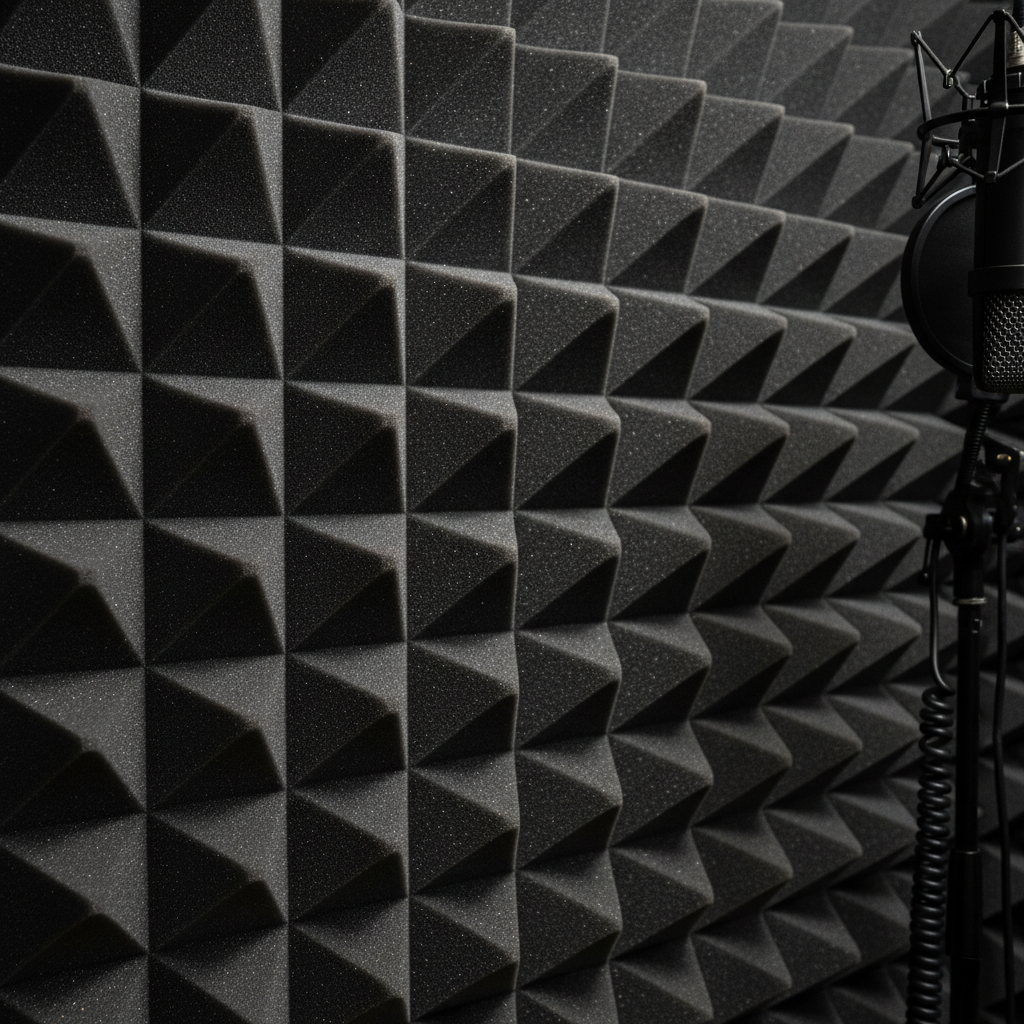
Winter brings unique acoustic challenges. With windows closed and heaters running, your room's acoustics can change significantly. Consider investing in acoustic panels to manage sound reflections and reduce echo. These panels help maintain a consistent sound quality, ensuring that your recordings are clear and professional.
Additionally, pay attention to the noise levels of any heating equipment. If your heater makes noise, try scheduling recording sessions when it’s off, or use noise reduction software to filter out unwanted sounds.
Adapting Your Recording Schedule
Winter days are shorter, which might affect your recording schedule, particularly if you rely on natural light. Plan your sessions to make the most of daylight hours. If natural light is crucial for your workflow, consider investing in daylight lamps to simulate sunlight and maintain a productive environment.
Moreover, weather conditions can disrupt travel plans for collaborators. Be flexible with remote recording options. Utilize online tools for virtual sessions, ensuring your projects stay on track regardless of weather disruptions.
Incorporating Seasonal Themes
Winter is an inspiring season for many projects. Consider incorporating seasonal themes into your audio productions. Whether it’s using sound effects like wind and snow or creating music that reflects the tranquility of winter, seasonal elements can add a unique dimension to your work.
Experiment with different instruments or soundscapes that evoke a winter atmosphere. Embracing the season can lead to creative breakthroughs and resonate deeply with your audience.